
Vestibular Physiotherapy in Singapore
Struggling with dizziness, vertigo, or balance issues? These symptoms can interfere with your daily activities and make simple tasks more challenging than they should be. If you are experiencing issues with dizziness or balance, vestibular physiotherapy may be a viable solution. This specialised therapy focuses on retraining the brain and body to compensate for balance disruptions, potentially reducing symptoms like dizziness and enhancing overall stability. Through targeted exercises like gaze stabilisation and balance training, vestibular physiotherapy can help you regain confidence in your movements and daily routines.
What is Vestibular Physiotherapy?
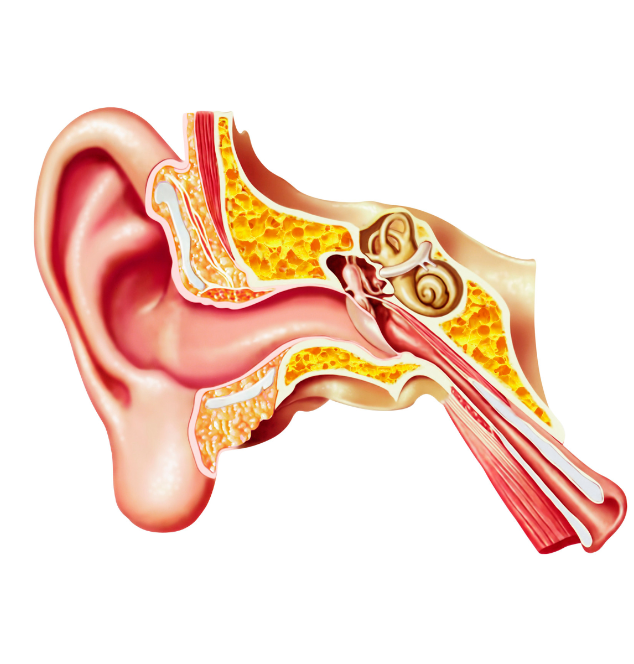
The vestibular system is located in the inner ear and includes several structures that help detect changes in head movements and the body’s position in space. It works closely with other systems—like the visual system (your eyes) and the proprioceptive system (the sensations from your muscles and joints)—to provide the brain with important information about where your body is in space.
Vestibular dysfunction usually presents as dizziness or vertigo (the sensation of the room spinning), which might result in a sense of imbalance, increasing the risk of falls and resultant injuries. Vestibular rehabilitation aims to retrain the brain and body to adapt to these disruptions by improving the way the body processes balance signals. By gradually reintroducing controlled movements and exercises, individuals can experience relief from dizziness, better balance, and increased confidence in their everyday activities.



Signs You May Need Vestibular
Rehabilitation
The vestibular system is responsible for maintaining balance and spatial awareness. When impaired, it can lead to vestibular disorders, resulting in:
- Dizziness or vertigo
- Imbalance and frequent falls
- Blurred vision and difficulty focusing
- Nausea and motion sickness
- Brain fog and difficulty concentrating
If you experience these symptoms, vestibular rehabilitation can help restore balance and manage dizziness.
Benefits of Vestibular Physiotherapy

Faster Recovery After Vestibular Injury or Surgery
Vestibular Rehabilitation helps with vestibular dysfunction by using manoeuvres, habituation exercises and activity modification to reduce dizziness and improve balance to improve coping with daily life during recovery, eventually restoring normal function.

Improved Balance and Stability
Vestibular rehabilitation aims to enhance proprioception and equilibrium, which can improve balance during daily activities. Exercises such as postural training for dizziness may help individuals feel more stable when walking on uneven surfaces or climbing stairs, potentially reducing the risk of falls.

Reduction in Dizziness and Vertigo Symptoms
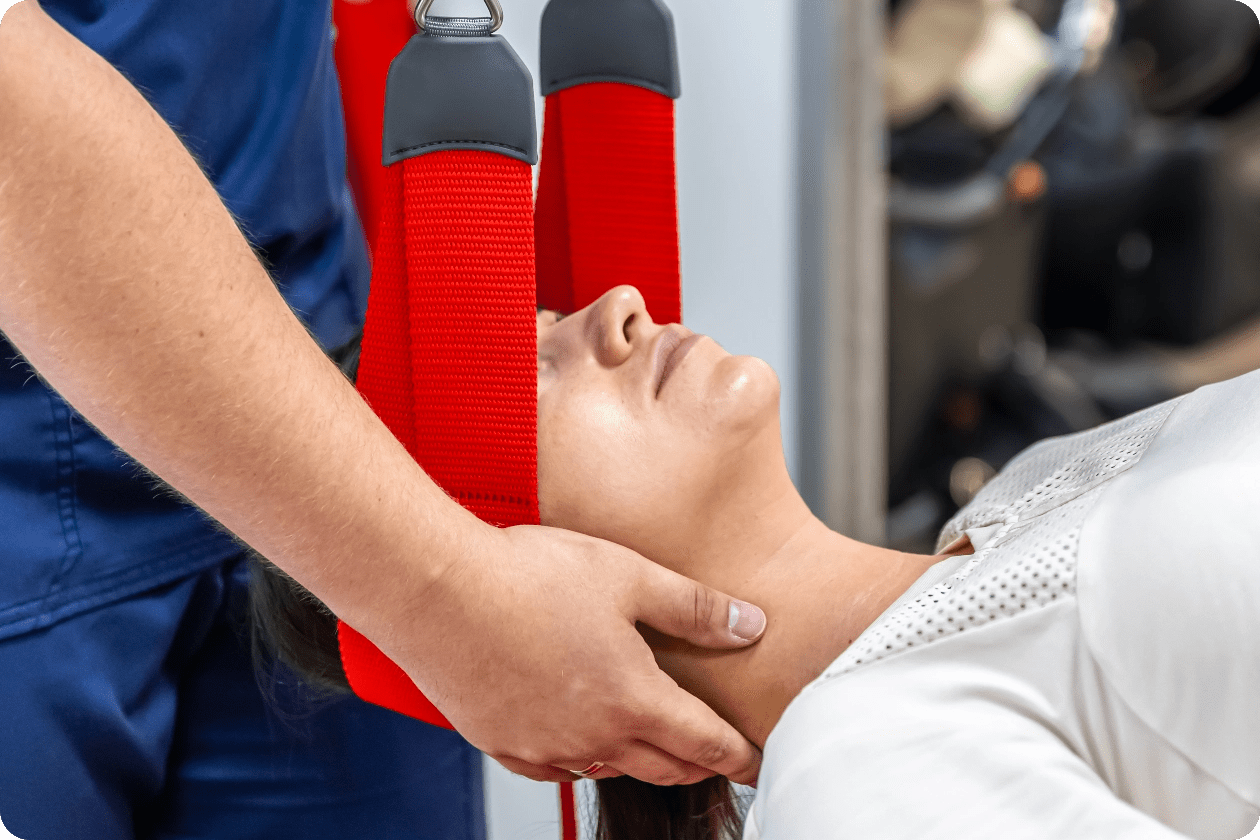
Evidence-based techniques like gaze stabilisation therapy and inner ear vestibular rehabilitation are commonly used to manage dizziness and vertigo symptoms. or conditions like BPPV, specific techniques like the Epley manoeuvre may be used to reposition the crystals in the inner ear and relieve symptoms of positional vertigo.

Improved Confidence and Quality of Life
Vestibular disorders can lead to anxiety and a fear of movement, making everyday activities feel challenging. Vestibular physiotherapy helps support balance and manage dizziness, which may make it easier to move with confidence. With the right guidance, many people find they can return to their daily routines more comfortably and with greater ease.
Encourage consultation with a healthcare professional.
The Movement Laboratory holds the privilege of being top athletes first choice physiotherapy clinic.
+65 9755 3516
Information and Appointment Line