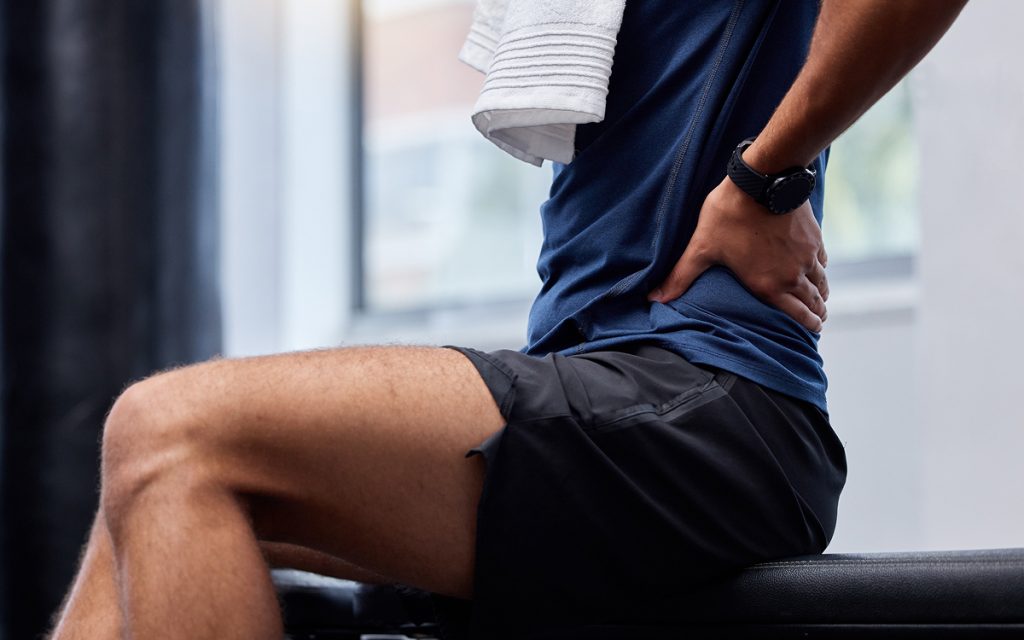
Muscle Strain or Overuse
Common in runners, gym-goers, or individuals with physically demanding jobs, overuse can lead to localised muscle tension and discomfort around the gluteal area.

If you’re dealing with ongoing tension, numbness, or discomfort in the hip or buttock area, you’re not alone. These symptoms are common in both active individuals and desk-bound workers, and they can significantly affect daily comfort and mobility.
At The Movement Lab, we offer targeted physiotherapy for conditions such as piriformis syndrome, nerve-related issues, and buttock pain associated with postural stress or muscle overuse. Our approach focuses on restoring movement, managing discomfort, and helping you return to everyday activities with more ease.

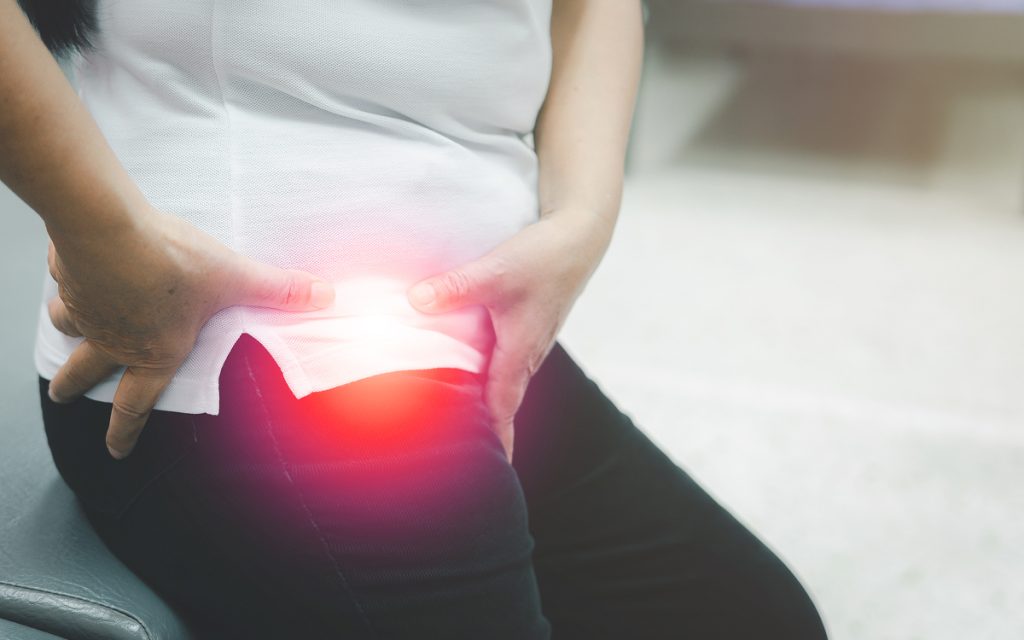
Hip and buttock pain refers to discomfort located in the lower pelvic and gluteal regions, often involving muscles, joints, or nerves. This pain may be sharp, dull, or radiating, and is commonly linked to everyday factors such as prolonged sitting, repetitive movement, or muscular tightness. In more complex cases, nerve compression (such as sciatica) or joint degeneration may be involved.
Hip-related discomfort is a common concern in primary care settings and can significantly affect mobility and quality of life. The World Health Organization also highlights that musculoskeletal conditions are a leading contributor to disability worldwide, particularly among working-age adults. Identifying the source early, whether muscular, neurological, or structural, can support long-term recovery and prevent further complications
Pain in the buttock region may arise from multiple factors involving muscles, joints, or nerves.
Common in runners, gym-goers, or individuals with physically demanding jobs, overuse can lead to localised muscle tension and discomfort around the gluteal area.
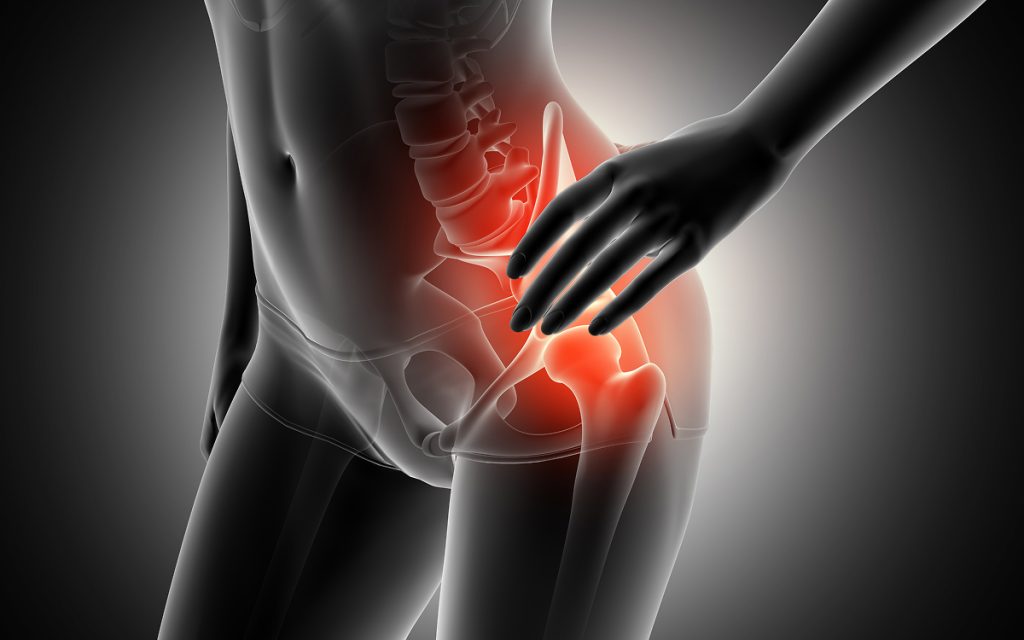
This occurs when the piriformis muscle compresses the sciatic nerve. It may mimic sciatica, causing pain that travels from the buttock down the leg.
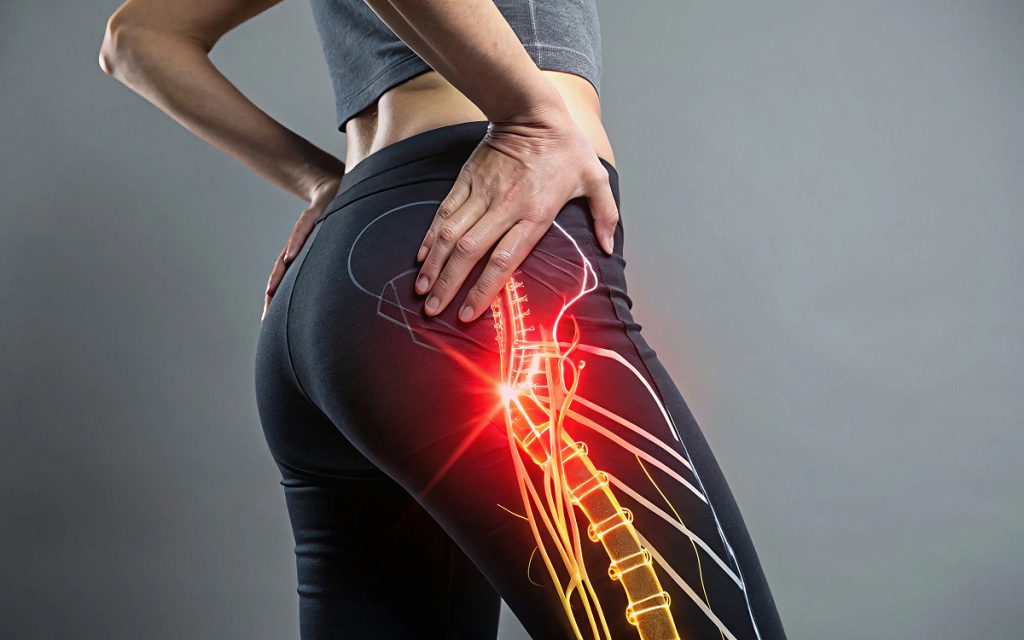
Compression or irritation of the sciatic nerve, due to disc problems or muscular tension, can cause radiating pain, tingling, or weakness. This may require targeted sciatica pain treatment in Singapore.
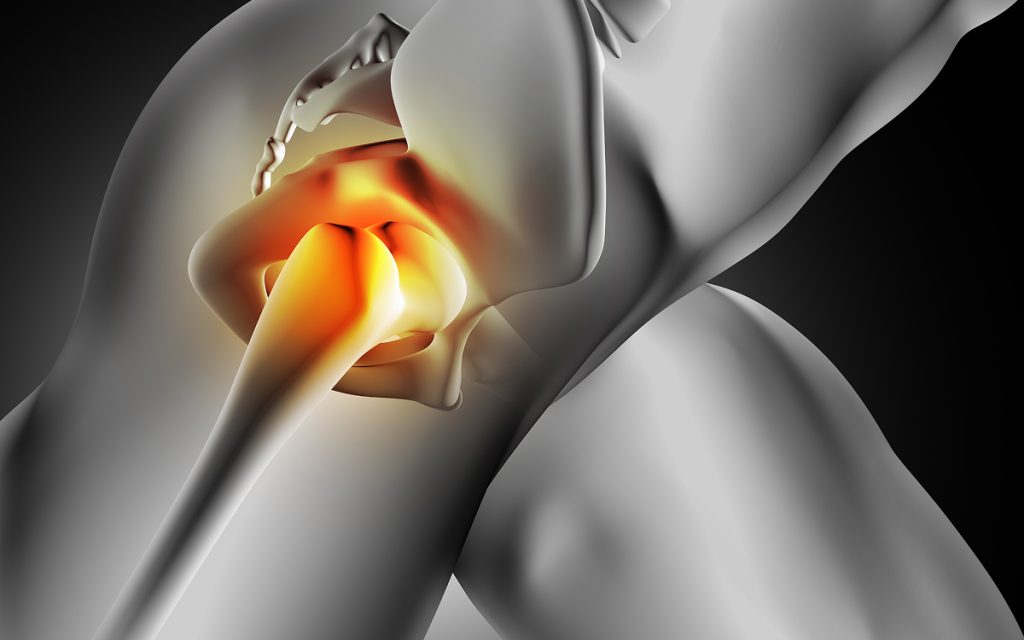
Inflammation or degeneration of tendons near the hip joint may cause deep, aching pain, especially during stair climbing or prolonged walking.
Inflammation of the fluid-filled sacs near the hip or buttock can lead to localised pain that worsens with pressure or movement.
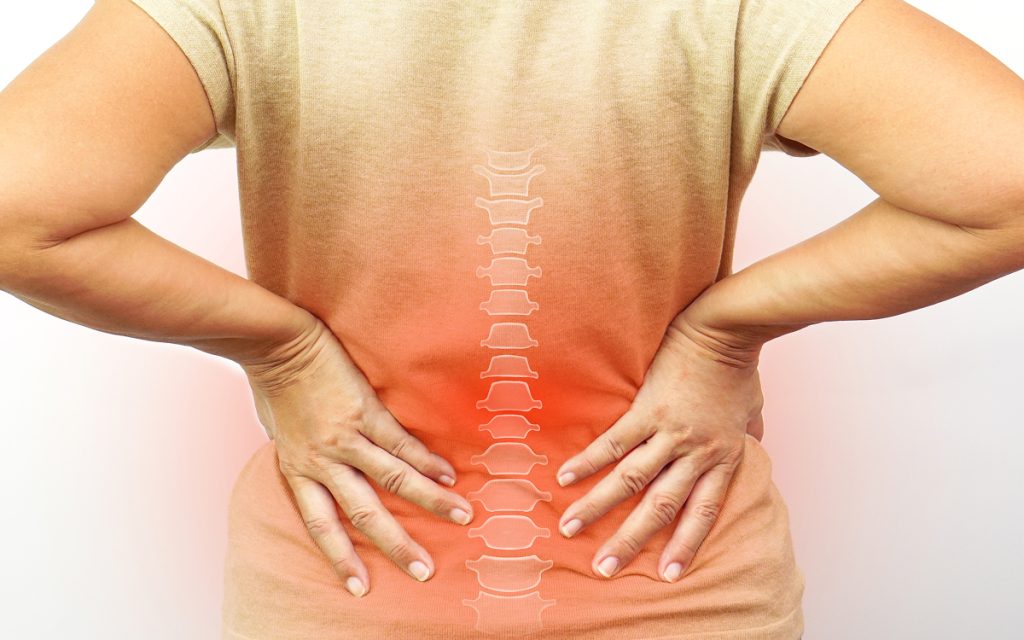
When nerve roots near the lower back are affected, the resulting discomfort may extend to the hips and buttocks.
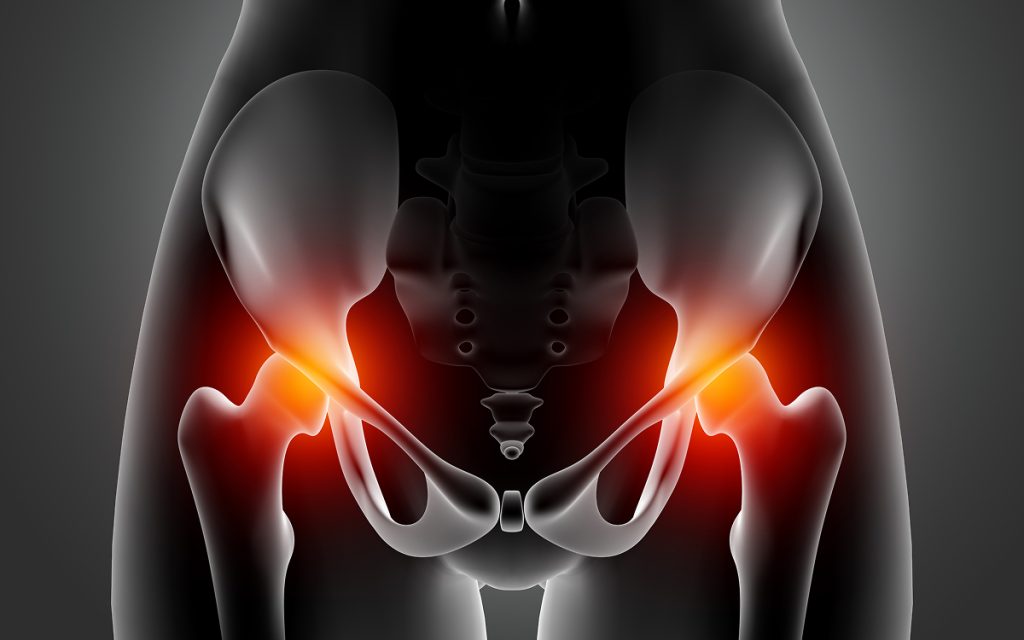
Issues affecting the sacroiliac joint, hip bones, tailbone (coccyx), or ageing-related changes like osteoarthritis can all contribute to persistent pain in the region.

Discomfort may vary in intensity and spread along the sciatic nerve or into the thighs and calves.

Weight-bearing activities often aggravate symptoms tied to joint or muscular stress.

Extended sitting, especially on hard surfaces, can irritate the piriformis or compress nerves.

Loss of flexibility or difficulty with basic motions like squatting may signal joint or tendon involvement.

Nerve compression may cause pins and needles or a sense of heaviness.

Local inflammation may cause sensitivity or visible signs of irritation.

Functional restrictions often indicate a mechanical or muscular issue in the hips or buttocks.

Pain at night or while sleeping on one side may suggest bursitis or tendon irritation.

Your physiotherapist will review when the pain began, what triggers it, and how it affects your daily routine or movement habits.
This includes checking for movement limitations, strength imbalances, joint irritation, and postural patterns contributing to discomfort.
In certain cases, X-rays, MRI scans, or other imaging may be recommended to rule out structural conditions affecting bones, joints, or nerves.
Manual therapy, dry needling, and gentle mobilisation can help ease symptoms while calming overactive tissues.
Restoring flexibility and improving hip alignment supports better function in daily life and exercise.
Targeted exercises help stabilise the hip, glutes, and core, reducing compensation or overload.
Physiotherapy can be part of post-surgical rehab or a structured return-to-movement programme after strain.
Through movement retraining, ergonomic tips, and ongoing strength work, physiotherapy supports long-term resilience.
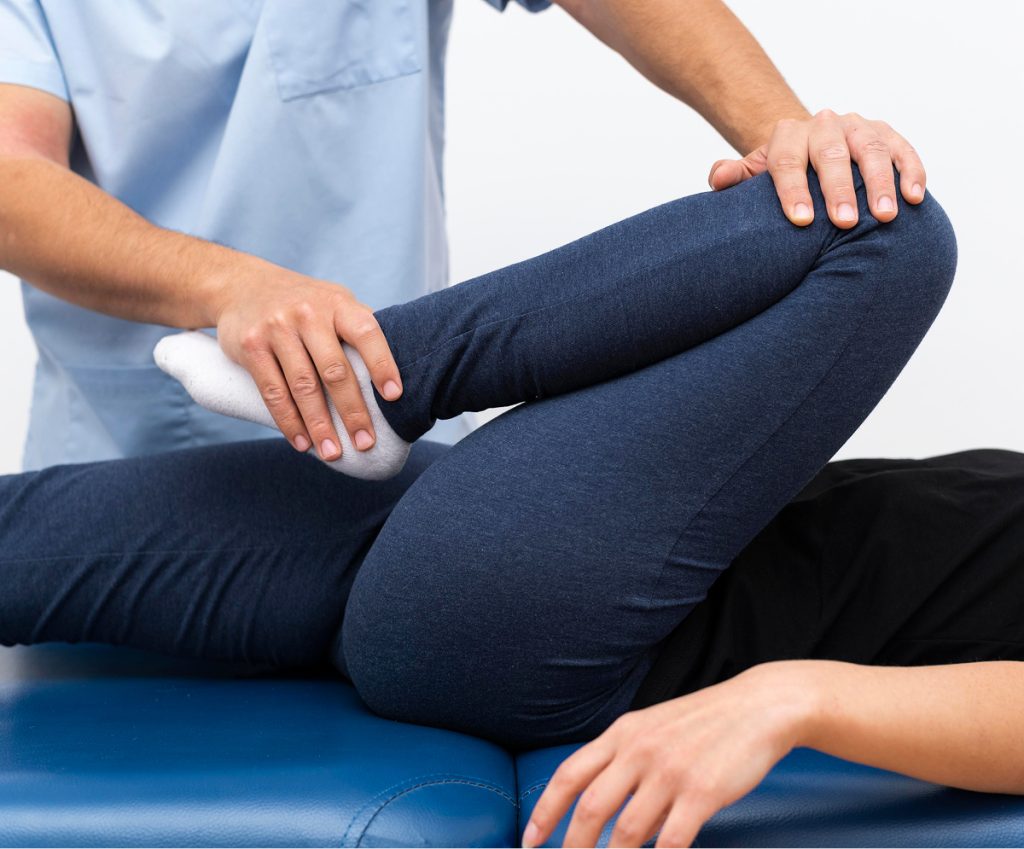
If hip or buttock discomfort is more than just temporary soreness, professional care may be needed.

If pain is interfering with walking, sitting, or sleeping, physiotherapy may help restore function.

Recurring episodes suggest an underlying imbalance that needs to be addressed through a targeted plan.

This may signal a more serious nerve issue and should be assessed urgently.

Sudden changes in sensation or movement control need prompt evaluation.

Tingling around the inner thighs or groin should not be ignored.

Accidents or falls affecting the hip or spine should be reviewed professionally.

Systemic symptoms with pain could point to infections or other medical conditions.

Rest, heat or cold therapy, gentle stretching, and postural changes can help with mild cases.

A personalised plan may include manual therapy, movement correction, and piriformis syndrome treatment techniques.

In cases with persistent inflammation or nerve involvement, medical referral may be made for corticosteroid or other guided treatments.

Surgery is rarely needed but may be considered when structural damage causes ongoing nerve compression or instability.
Physiotherapy is often recommended for managing hip and buttock pain that arises from muscle strain, nerve irritation, or poor movement habits.

Soft tissue release, dry needling, or joint mobilisation may help reduce stiffness and improve comfort.

Rehabilitation programmes may include glute strengthening, hip control drills, and flexibility work.

Addressing walking mechanics, sitting posture, or lifting techniques helps offload sensitive areas.

Heat therapy, ultrasound, or gentle traction may be used to calm symptoms.

Your physiotherapist will provide guidance on how to adjust daily habits and prevent recurrence.
Simple movements can help reduce tension, improve circulation, and support recovery. Always check with your physiotherapist before starting an exercise programme.
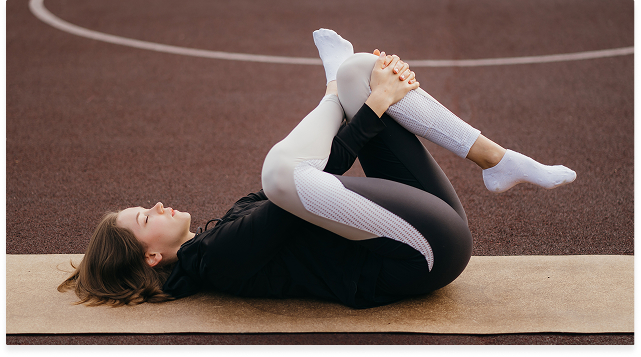
Lie on your back, cross one ankle over the opposite knee, and gently pull the thigh towards your chest to stretch the glutes and piriformis.
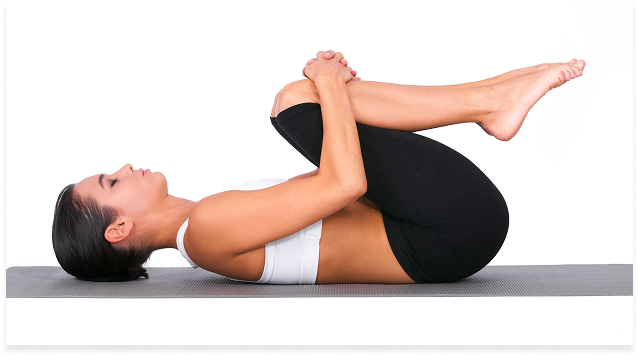
Bring one or both knees towards your chest while lying down to relieve tension in the lower back and glute region.
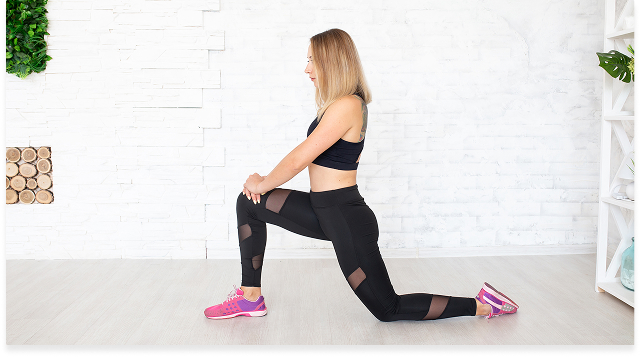
Kneel on one knee, lean forward slightly while keeping your back straight to stretch the front of the hip.
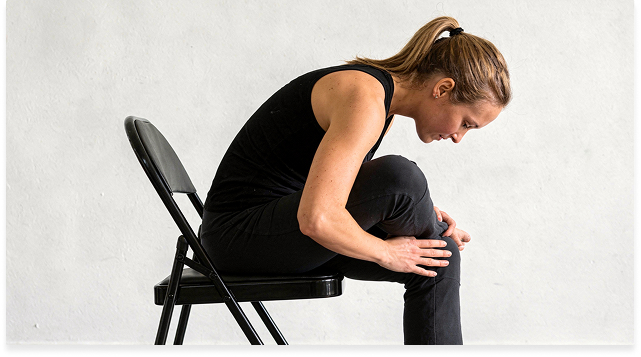
Sit upright, cross one leg over the other, and gently twist towards the bent leg to target the piriformis muscle.
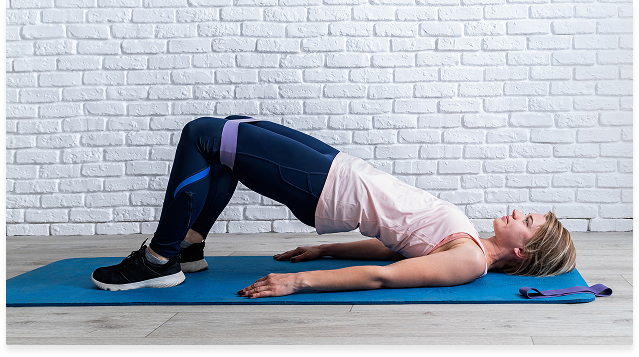
Lie on your back with knees bent. Lift your hips slowly off the floor to engage glutes and core muscles.
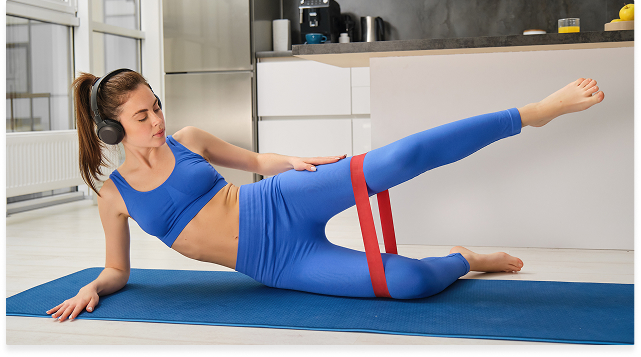
Lie on your side with knees bent. Keeping feet together, lift your top knee slowly to activate the gluteus medius.
Pain from muscles or joints is often localised and tender to touch, while nerve-related issues like sciatica may cause tingling or radiate down the leg. If unsure, it’s best to contact us for an assessment.
If your pain starts in the buttock and radiates down the leg, worsens with sitting, or feels deep in one side, it may suggest piriformis involvement rather than typical back pain.
At our physiotherapy clinic in Singapore, your therapist may use manual release, dry needling, nerve mobilisation, and strengthening exercises to reduce symptoms and improve nerve mobility.
This may include posture retraining, desk set-up changes, walking mechanics, or sleeping position advice, all guided by a physiotherapist in Singapore.
Recovery time varies based on the cause and your consistency with the plan. Some people feel relief after a few sessions, while others may take a few weeks. See our testimonials to learn how others have progressed.
If your symptoms persist, worsen, or affect your daily routine, it’s time to reach out to us for a personalised assessment.
The Movement Laboratory holds the privilege of being top athletes first choice physiotherapy clinic.
+65 9755 3516
Information and Appointment Line