1. Home
  2. Services
  3. Sports Physiotherapy in Singapore

Sports Physiotherapy in Singapore

At Movement Lab, we offer sports physiotherapy to help individuals recover from injuries caused by physical activity. Our physiotherapists take a holistic approach, using evidence-based techniques to assist with rehabilitation. Whether you’re a competitive athlete or someone who enjoys staying active, our sports physiotherapy services are designed to support your recovery process.

As a trusted physiotherapy clinic in Singapore, we focus on restoring strength, preventing re-injury, and helping you return to peak performance safely.

A sports injury that needs sports physiotherapy

What is Sports Injury Physiotherapy?

Sports injury physiotherapy is based on a deep understanding of how the body moves and responds during physical activity. Physiotherapists observe movement patterns to pinpoint any weaknesses or imbalances that might be contributing to an injury. They focus on how muscles, tendons, joints, and ligaments work together to support your body’s movements. When something goes off balance, it can lead to pain or injury. By assessing how you move, physiotherapists can create a plan to help correct any issues and get you back to your normal routine.

The approach also draws from exercise science, which looks at how the body reacts to different types of activity. Physiotherapists use this knowledge to design exercises that support healing while improving strength, flexibility, and overall function. These exercises are adjusted to match your injury and fitness level, helping you regain strength and mobility step by step. The idea is to help the body recover without pushing it too hard, so you can safely get back to your usual activities.

Physiotherapy for Different Sports

Common Injuries & Physiotherapy Approaches for Each Sport

  • Golfers often experience common injuries such as golfer’s elbow, back strain, wrist pain, and shoulder impingement. These injuries can affect performance and limit enjoyment of the sport.
  • Typical Injuries: Golfer’s elbow, back strain, wrist pain, shoulder impingement.
  • How sports physiotherapy in Singapore helps: Physiotherapy for golfers in Singapore focuses on addressing the root causes of pain, improving flexibility, and preventing future injuries. At a sports injury clinic in Singapore, golf injury physiotherapy is tailored to meet individual needs, helping players maintain peak performance while reducing the risk of further damage. Sports physiotherapy plays a crucial role in enhancing recovery and promoting long-term health for golfers.
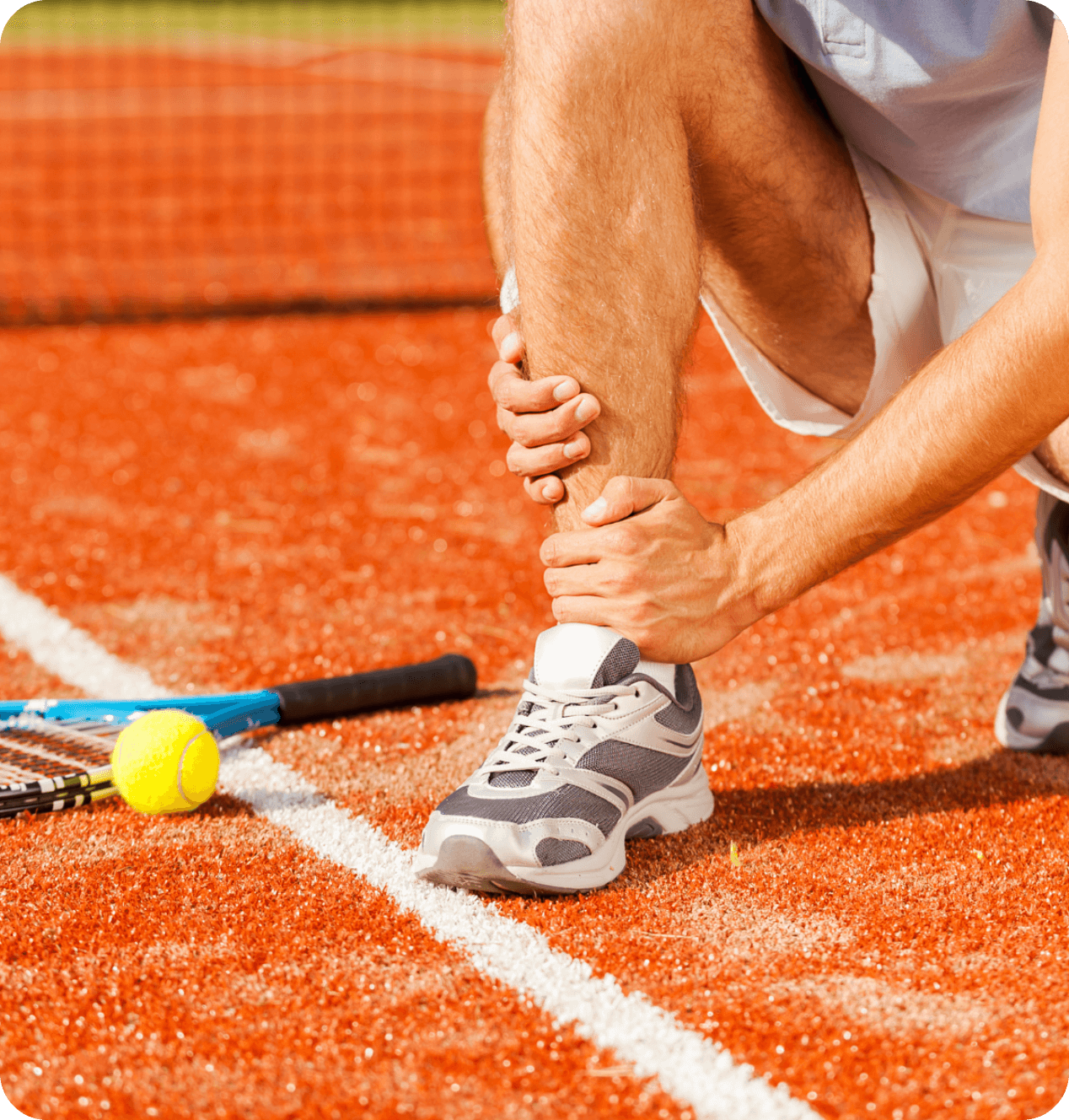
  • Common Injuries: Tennis elbow, rotator cuff tears, knee pain, wrist sprains
    Tennis players may encounter a range of injuries including tennis elbow, rotator cuff tears, knee pain, and wrist sprains. These issues often arise from the repetitive nature of the sport and can affect comfort and movement over time.
  • Biomechanics of Tennis: The repeated actions involved in playing tennis can place strain on specific joints and muscle groups. Overuse, incorrect technique, or limited recovery can increase the risk of injury.
  • How sports physiotherapy in Singapore helps: A personalised approach to sports injury physiotherapy can support tennis players in managing pain, improving strength and flexibility, and recovering from injuries. Tennis physiotherapy Singapore offers structured guidance for those managing ongoing discomfort or seeking to prevent future injuries. With a focus on individual needs, physiotherapy for tennis players and sports physiotherapy.
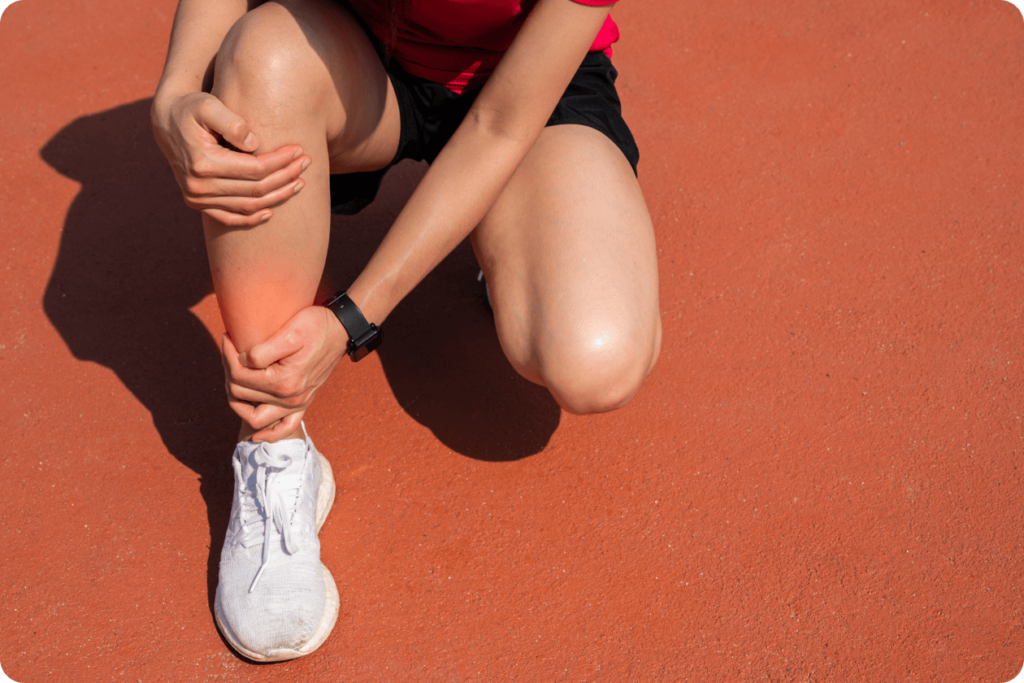
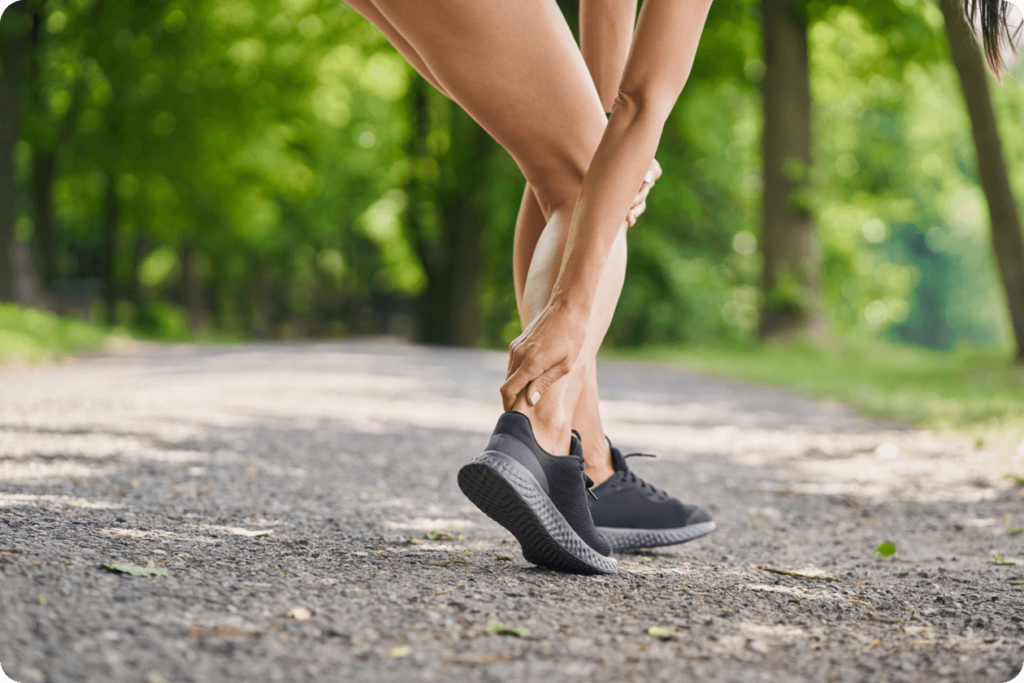
  • Typical Running Injuries: Shin splints, IT band syndrome, plantar fasciitis, runner’s knee. Runners often experience injuries such as shin splints, IT band syndrome, plantar fasciitis, and runner’s knee. These conditions can arise gradually and may affect running comfort or limit physical activity.
  • Contributing Factors: Running-related injuries are frequently linked to factors such as unsuitable footwear, overtraining, and movement imbalances. These elements may place stress on the joints, tendons, and muscles over time.
  • How Physiotherapy Helps: Physiotherapy for running injuries supports recovery by addressing the underlying causes of discomfort and guiding individuals through movement-based care. At a sports injury clinic Singapore, care is adapted to individual needs and running habits. Running physiotherapy Singapore may include gait analysis, strengthening exercises, and mobility work. Through this approach, sports physiotherapy for runners helps reduce discomfort and supports continued participation in running.
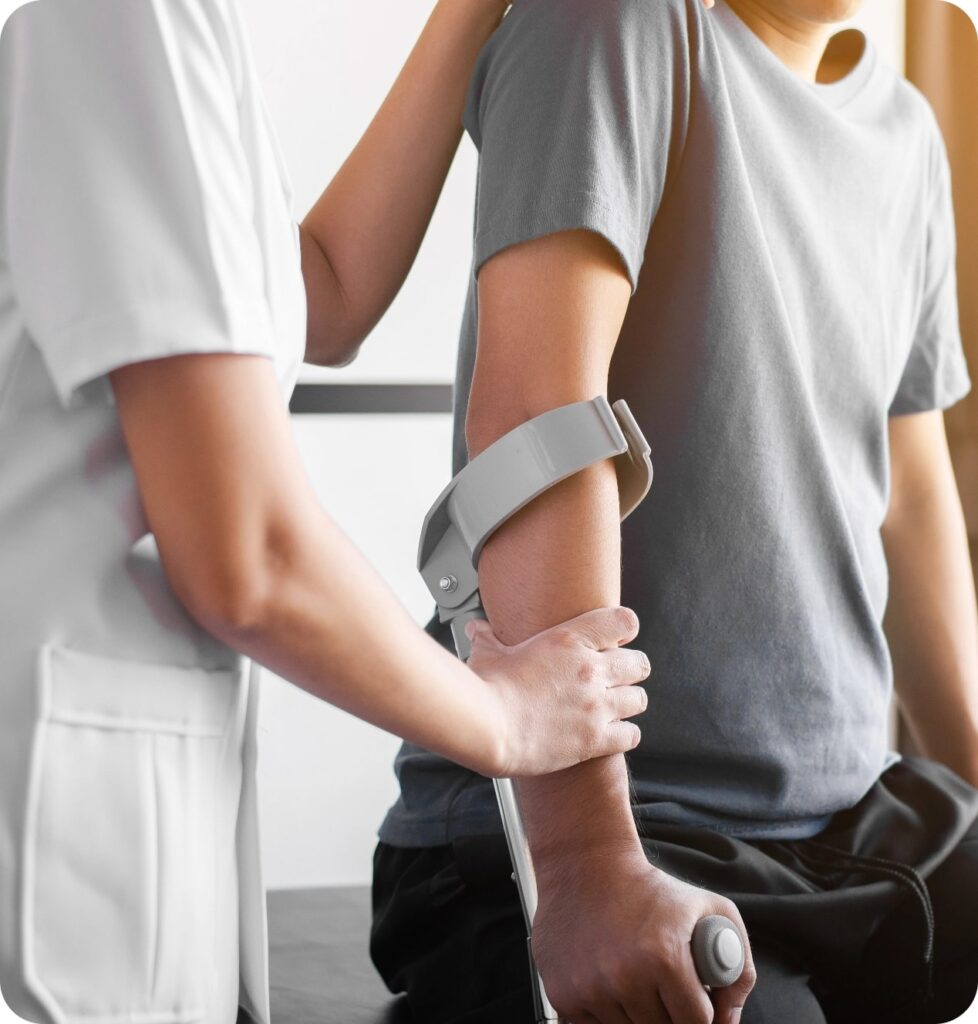
physiotherapist-women-training-with-men-patient-using-crutches-clinic-physical-therapy-concept

Other Common Sports Injuries Include

Sports injuries can affect different parts of the body depending on the type of activity, movement patterns, and physical demands involved. Below are some other common sports injuries that may benefit from physiotherapy assessment and treatment.

Strains, sprains, and tears in muscles, ligaments, and tendons, often caused by sudden movements or overuse.

Fractures or injuries to bones, often occurring during intense physical activity, with physiotherapy aiding recovery and restoring movement.

Patellofemoral Pain Syndrome (PFPS) / Runner’s Knee:

A common overuse condition caused by irritation of the cartilage beneath the kneecap, often due to poor tracking of the patella, muscle imbalance, or repetitive stress. It typically presents as pain around or behind the kneecap, especially when climbing stairs, squatting, or sitting for long periods.

Patellar Tendinopathy: Inflammation of the tendon connecting the kneecap to the shinbone, often caused by repetitive jumping or running.

Achilles Tendinopathy: Inflammation of the Achilles tendon, typically caused by overuse or sudden increases in activity.

Injuries from sudden impacts, such as sprained ankles or dislocated joints, requiring targeted treatment for recovery.

Compression or damage to nerves, like sciatica, may occur during certain activities, leading to discomfort or numbness.

Conditions like heat stroke or dehydration require careful management to avoid complications.

Injuries affecting joints (e.g., knee, shoulder, elbow) can disrupt movement and require rehabilitation to restore function.

Common Sports Injuries We Treat

At the Movement Laboratory, we offer sports physiotherapy services to treat the following:

Upper Body Injuries

  • Rotator Cuff Injuries: Often caused by overhead activities, this involves the muscles and tendons that stabilise the shoulder.
  • Tennis Elbow (Lateral Epicondylitis): Pain on the outer elbow caused by repetitive motions such as gripping or tennis swings.

Lower Body Injuries

  • ACL Tears: A tear in the anterior cruciate ligament, commonly sustained in sports involving sudden stops, jumps, or pivots.
  • Hamstring Strains: A common injury in running sports caused by overstretching or overexertion of the hamstring muscles.
  • Shin Splints: Pain along the front of the lower leg, often caused by overuse or improper footwear.

Overuse Injuries

  • Patellar Tendonitis: Inflammation of the tendon connecting the kneecap to the shinbone, often caused by repetitive jumping or running.
  • Achilles Tendonitis: Inflammation of the Achilles tendon, typically caused by overuse or sudden increases in activity.
  • Stress Fractures: Small bone cracks from repetitive strain, especially in runners.

If you’re experiencing pain from any of these injuries or others, make an appointment to receive targeted treatment from our physiotherapists.

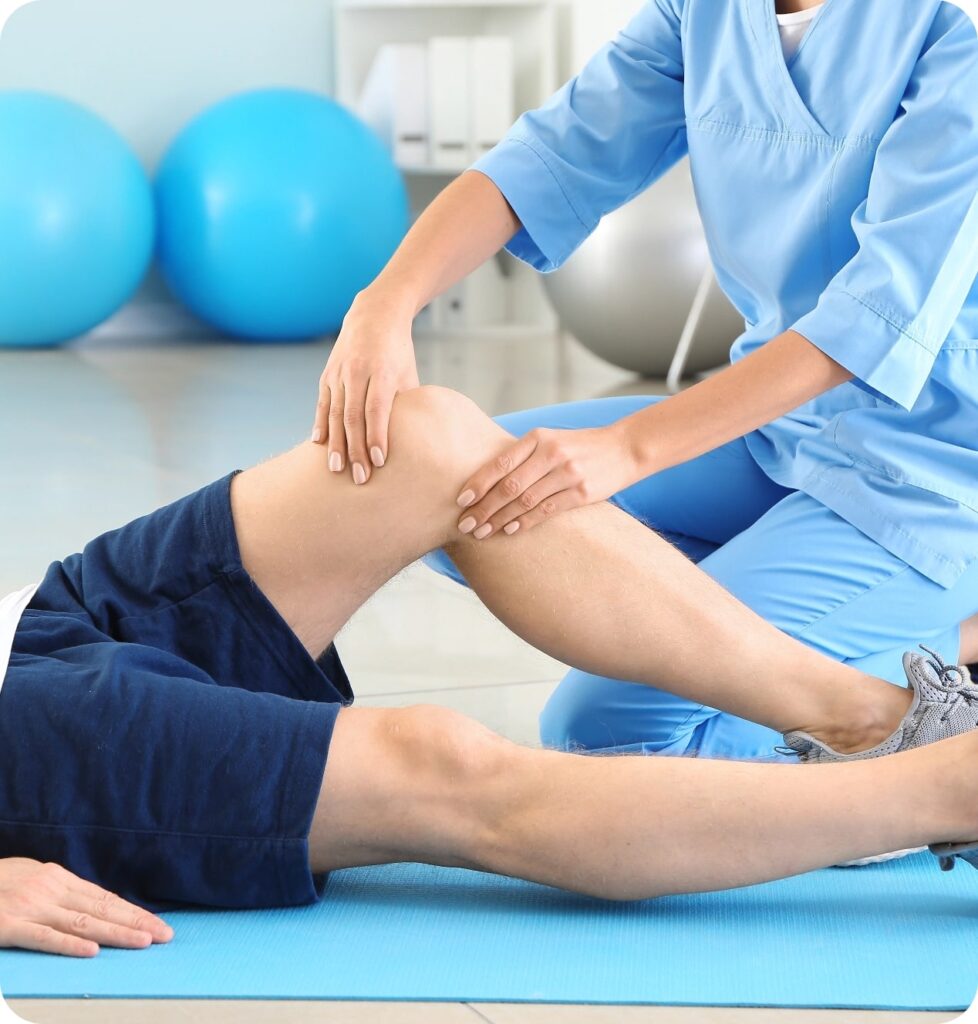
physiotherapist-working-with-male-patient-rehabilitation-center

How Our Sports Physiotherapists Help You Recover

At Movement Lab, we take a comprehensive approach to treating sports injuries. We begin with an in-depth assessment to identify the nature of your injury and how it affects your movement patterns. Based on this assessment, we create an individualised treatment plan designed to address your specific needs.


Hands-on techniques such as joint mobilisation and soft tissue massage to reduce pain, stiffness, and improve movement.

Targets muscle knots or trigger points to reduce tension and promote healing.

Combines movement and targeted exercises to strengthen the muscles around the injury, improve flexibility, and restore functionality.

For athletes, we tailor physiotherapy sessions to your specific sport, helping you return to your activities with confidence and readiness.

We focus on providing tailored care, incorporating technology and rehabilitation techniques. This ensures that you benefit from a sports physiotherapy plan that is centred around your needs and progress.

Benefits of Sports Physiotherapy

Sports physiotherapy offers a range of benefits, from aiding in recovery to improving overall performance in physical activities.

Sports injury physiotherapy helps support the healing process. With treatments like manual therapy, cryotherapy, and rehabilitation exercises, physiotherapists can help reduce pain, inflammation, and restore function. By addressing the underlying causes of the injury and guiding the recovery process, individuals can return to their usual activities more quickly and safely.

In addition to treating injuries, sports physiotherapy is focused on injury prevention. Techniques such as warm-up and cool-down routines, stretches, and strengthening exercises help enhance body mechanics, strengthen muscles, and increase flexibility. This aids in managing the physical stresses of activity and reduces the risk of injuries over time.

Sports physiotherapy can also enhance performance. By improving flexibility, strength, and endurance, physiotherapists can help athletes perform more efficiently. Physiotherapists can create plans that help optimise movement patterns, making it easier to perform physical tasks and reduce fatigue. Through this, athletes can feel more comfortable during their activities.

Every injury and recovery process is unique. At Movement Lab, we design treatment plans specifically suited to your needs. Whether you’re recovering from an injury or seeking to improve performance, your sports physiotherapy plan will be tailored to align with your activity level, goals, and injury specifics, guiding you toward a complete recovery.

Sports Injury Recovery: Rehabilitation Exercises

A structured rehabilitation programme is essential for restoring strength, mobility, and confidence after a sports injury. These exercises are typically introduced in stages to promote safe, progressive recovery and prevent re-injury.

Range of Motion Exercises

These gentle movements help restore flexibility and mobility in the injured area. They are often introduced early in recovery to reduce stiffness and maintain joint health.

Strengthening Exercises

Once pain and swelling subside, strengthening exercises focus on rebuilding muscle support around the injured joint. This helps improve stability, endurance, and overall performance.

Balance and Proprioception Training

After an injury, balance and coordination can be affected. These exercises retrain your body’s sense of position and control, reducing the likelihood of future injuries.

Functional and Sport-Specific Drills

These exercises replicate the physical demands of your sport, preparing your body to return safely to play. They include controlled movements like jumping, pivoting, or sprinting based on your activity level.

Flexibility and Stretching

Stretching helps maintain supple muscles and joints, improves posture, and enhances circulation to promote healing. It’s an important step in preventing stiffness and supporting long-term recovery.

Always follow a physiotherapist’s guidance when performing rehabilitation exercises to ensure they’re safe and suited to your stage of recovery.

Sports Injury Clinic Singapore: Recovery-Focused Physiotherapy

The Movement Laboratory is a trusted sports injury clinic in Singapore, recognised for its recovery-first mission and comprehensive approach to rehabilitation. Our experienced team of MOH-registered physiotherapists brings years of clinical expertise and professional credentials, ensuring that every treatment is based on proven methods and tailored to individual needs. We specialise in treating a wide range of injuries, including ACL injuries, ankle sprains, and runner’s knee, with each case receiving thorough assessment to determine the most suitable approach for optimal recovery.

We understand that every athlete is unique, which is why we create customised treatment plans that are designed to suit your sport, goals, and lifestyle. Whether you're a recreational or competitive athlete, our athlete rehabilitation programmes are crafted to help you safely return to your sport, reducing downtime while prioritising long-term recovery.

With our focus on a fast, safe return to physical activity, we ensure that you are fully prepared to rejoin your sport with confidence. If you're looking for a reliable sports injury clinic in Singapore, The Movement Laboratory is here to guide you through your recovery journey with our specialised sports injury physiotherapy services.

Book An Appointment

FAQS ABOUT SPORTS PHYSIOTHERAPY

  • What can I expect during my first sports physiotherapy appointment?

    During your first visit, your physiotherapist will conduct a detailed assessment to understand your injury, history, and physical condition. Based on this, they will recommend a treatment plan and guide you through exercises and therapies tailored to your recovery.

    Learn more about our personalised approach to physiotherapy in Singapore, where every session is designed to help you move better and recover faster.

  • How long does it take to recover from a sports injury with physiotherapy?

    Recovery time varies depending on the severity of the injury, your individual condition, and the treatment plan. Some people may feel improvements in a few weeks, while others may require a few months of treatment. Your physiotherapist will work with you to set realistic recovery goals based on your injury. For more insights on rehabilitation, injury prevention, and mobility tips, visit our blog.

  • How do I know if I need physiotherapy for my sports injury?

    If you’re experiencing pain, discomfort, or limited mobility after an injury, or if you feel like your performance is being affected, it may be time to visit a sports injury clinic. An assessment can help determine if physiotherapy is the right option for you.

    To learn more about our team and treatment philosophy, visit our about us page for insights into how we help you move and recover with confidence.

  • Will I need to do exercises at home during my recovery?

    Yes, home exercises are often an important part of recovery. Your physiotherapist will provide you with exercises tailored to your injury, helping you maintain progress between sessions. These exercises are designed to improve strength, flexibility, and movement patterns, speeding up recovery and preventing re-injury. For personalised guidance or to schedule your next session, contact us today.

  • What are the price ranges for sports physiotherapy in Singapore?

    The cost of sports physiotherapy in Singapore typically ranges from SGD $150 to $300 per session at private clinics, while public hospitals and polyclinics offer more affordable options, with initial visits starting around SGD $50 to $100. However, home-based physiotherapy sessions generally cost between SGD $200 and $280. For more details about pricing, insurance claims, and what to expect during your session, visit our FAQ page.

  • Does The Movement Laboratory accept insurance for sports injury physiotherapy?

    Yes, many insurance plans in Singapore cover physiotherapy for sports injuries. The Movement Laboratory, a sports injury clinic in Singapore, does not offer direct billing but can assist with completing insurance forms. It’s recommended to check your provider’s requirements before your appointment. For further assistance or to book a consultation, please contact us.

Encourage consultation with a healthcare professional.

The Movement Laboratory holds the privilege of being top athletes first choice physiotherapy clinic.

+65 9755 3516

Information and Appointment Line

    Go to Top