
Key Takeaways:
- Focus on weight loss with joint-friendly strategies.
- Choose low-impact exercises to protect your joints.
- Strengthen muscles around your joints for better support.
- Prioritise proper warm-ups, cool-downs, and joint-friendly movements.
- Support joint health through good nutrition and adequate recovery.
Building a healthy weight loss routine that supports joint health is crucial for preventing injuries and ensuring long-term success. Choosing the right exercises and strategies can help you shed excess weight while keeping your joints safe and strong. By taking a balanced approach that includes low-impact exercises, joint-supportive nutrition, and proper care, you can achieve effective weight loss without putting your joints at risk. Whether you are starting your journey or looking to refine your efforts, incorporating joint-friendly practices will make all the difference.
If you need guidance on a sustainable approach, consulting a weight management clinic in Singapore, such as The Movement Laboratory, can set you on the right path.
Focus on Low-Impact Exercises
One of the most important aspects of a healthy weight loss routine is choosing exercises that are kind to your joints. Activities such as swimming, cycling, and walking offer excellent cardiovascular benefits without placing undue stress on the knees, hips, or ankles. These low-impact workouts not only help you burn calories efficiently but also reduce the risk of joint injuries.
For individuals seeking personalised exercise recommendations, visiting a professional facility offering physiotherapy in Singapore can help tailor a routine that suits your needs and fitness level.
Strengthen Muscles Around Joints
Strength training plays a vital role in healthy weight loss. Strong muscles act as natural shock absorbers, supporting your joints and improving overall stability. Incorporating exercises that strengthen key areas such as the quadriceps, hamstrings, glutes, and core can significantly decrease the likelihood of injury during weight loss efforts.
Simple routines like bodyweight squats, resistance band exercises, and controlled weightlifting can be very effective. A structured weight loss programme can guide you through safe strength training techniques suited for joint health.
Proper Warm-Up and Cool-Down
Neglecting to properly warm up and cool down can lead to joint stiffness and increase the risk of injury. A good warm-up gradually raises your heart rate and loosens the muscles and joints, preparing them for activity. Dynamic stretches, light cardio, and mobility drills are excellent choices.
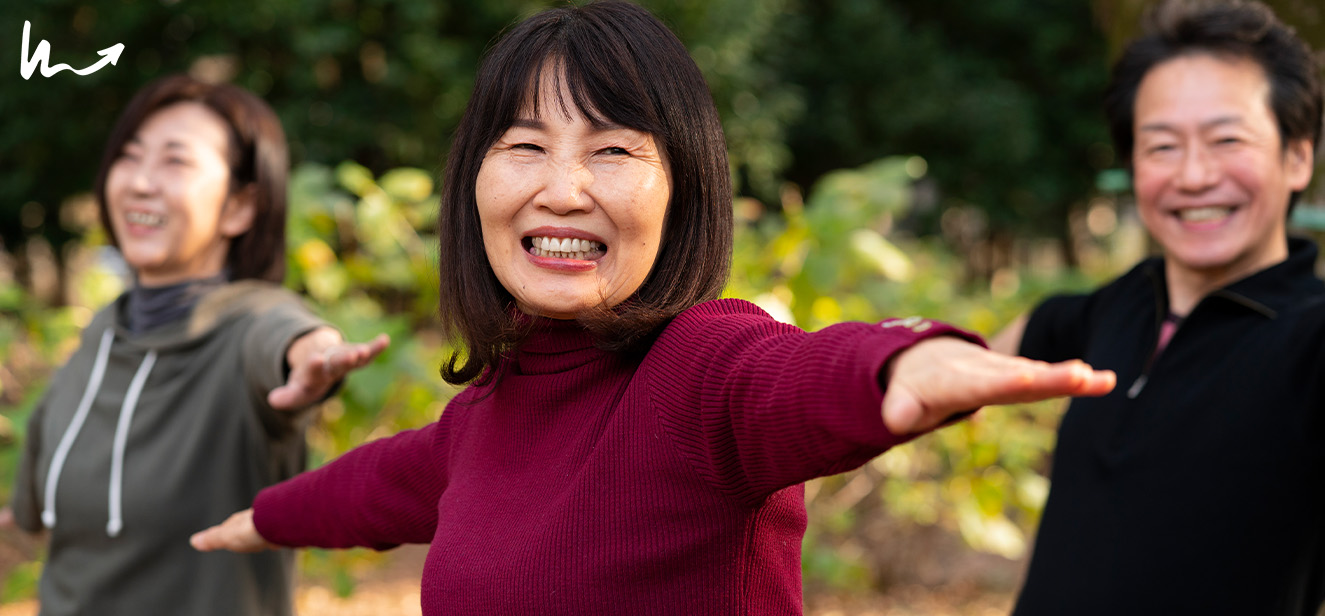
After exercising, taking time to cool down with static stretching and gentle movements can enhance flexibility and prevent soreness. As part of your weight management in journey, learning these techniques is crucial for long-term joint care.
Prioritise Joint-Friendly Movements
When building your exercise routine, it is important to prioritise movements that protect your joints. Using proper form is essential to avoid placing unnecessary stress on your body. Focus on functional movements such as lunges, squats, and step-ups, which mimic everyday activities and enhance stability.
If you are unsure about the correct technique, professional supervision from a physiotherapist at a weight management specialist in Singapore can be invaluable in preventing bad habits that could lead to injuries.
Nutritional Support for Joint Health
Nutrition plays a significant role in both healthy weight loss and joint health. Incorporating anti-inflammatory foods such as salmon, walnuts, leafy greens, and berries can reduce joint inflammation and promote healing. Supplements like omega-3 fatty acids, calcium, collagen, and vitamin D also support joint function and overall well-being. It’s best to prioritise calcium intake. However, note that for calcium to be significantly more bioactive, you’d need to pair it with vitamin D3, and vitamin K2 as well. This is especially important for women and older adults, whose health needs may require more targeted support.
Maintaining a balanced diet not only helps in losing weight but also keeps your joints strong and resilient throughout your journey.
Rest and Recovery
Rest is often overlooked but is essential for any effective, healthy weight loss routine. Allowing your body sufficient time to recover between workouts helps avoid overloading the joints and muscles, promoting healing, growth, and improved performance. Aim for at least one to two rest days per week, and listen to your body’s signals.
Facilities offering physiotherapy in Singapore can also assist in creating active recovery strategies that keep your joints mobile while giving your body the rest it needs.
Building a weight loss routine that supports joint health requires a thoughtful approach that combines low-impact exercise, strength training, good nutrition, proper technique, and adequate recovery. By making joint health a priority, you can achieve sustainable weight loss while keeping your body strong and pain-free.
If you are ready to embark on a journey towards better health, reach out to The Movement Laboratory today. Our team specialises in physiotherapy, tailored weight loss programmes, and comprehensive weight management to help you achieve your goals safely and effectively.
References:
- Kubala, J. (2023, August 21). Low impact exercises: Benefits and best moves. Healthline. https://www.healthline.com/health/fitness-exercise/low-impact-exercises
- The Joint Chiropractic. (2024, April 10). Low-impact workouts: The joint-friendly way to exercise. https://www.thejoint.com/2024/04/10/low-impact-workouts-the-joint-friendly-way-to-exercise
- Johns Hopkins Arthritis Center. (n.d.). The role of body weight in osteoarthritis. https://www.hopkinsarthritis.org/patient-corner/disease-management/role-of-body-weight-in-osteoarthritis
- Harvard T.H. Chan School of Public Health. (n.d.). Calcium and calcium supplements. https://www.hsph.harvard.edu/nutritionsource/calcium/
- National Institutes of Health. (2022, March 29). Vitamin D: Fact sheet for health professionals. U.S. Department of Health and Human Services. https://ods.od.nih.gov/factsheets/VitaminD-HealthProfessional/