
What Happens When You Tear an Ankle Ligament?
An ankle ligament tear occurs when the ligaments that connect bones in your ankle are stretched beyond their limits, causing partial or complete tears. This injury often happens during activities that involve quick movements, jumps, or sudden changes in direction, such as sports or accidents. The tear can lead to pain, swelling, bruising, and difficulty walking. Understanding the mechanism of injury helps you grasp the seriousness of the damage and why timely intervention is crucial for healing.
If you’ve ever wondered how long an ankle ligament tear takes to heal, the answer depends on the severity of the tear. The recovery process can vary greatly between mild sprains and more severe injuries, with each type requiring different treatment strategies.
This guide explores everything you need to know about ankle ligament tears, from understanding the injury to effective recovery strategies. We’ll dive into how long does an ankle ligament tear take to heal, how ankle pain physiotherapy plays a key role in healing, and when surgery might be necessary. Plus, we’ll provide practical tips and answer frequently asked questions to help you navigate your recovery journey and prevent future injuries.
When considering the ankle ligament tear healing time, it’s essential to factor in your age, the severity of the injury, and how diligent you are with treatment and rehabilitation.
Key Takeaways
- Ankle ligament tears range from mild to severe and have different healing times.
- Physiotherapy plays a vital role in proper recovery and preventing future injuries.
- Surgery is only needed in more extreme cases.
- Healing takes time, patience, and consistency are key.
- Preventive care, proper footwear, and strengthening exercises can reduce future risks.
- Understanding the healing period for ankle injury is crucial for setting realistic expectations.
Understanding the Ankle Ligament Tear
The Anatomy of Your Ankle: Ligaments at Risk
Let’s get a bit nerdy with the anatomy, shall we?
Your ankle is more than just a simple joint—it’s a finely tuned structure of bones, ligaments, and muscles. The ligaments are what keep your ankle stable and allow you to move comfortably.
Here are the MVPs when it comes to ankle stability:
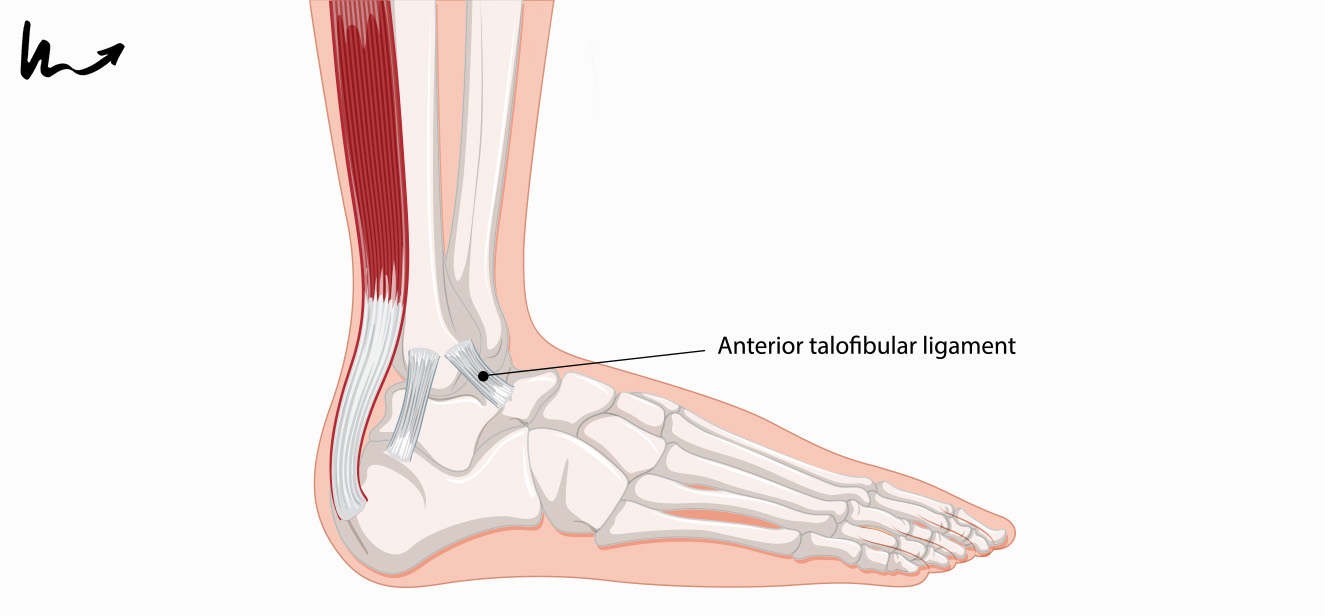
-
Anterior Talofibular Ligament (ATFL):
This one’s the usual suspect when an ankle sprain happens—most commonly injured.
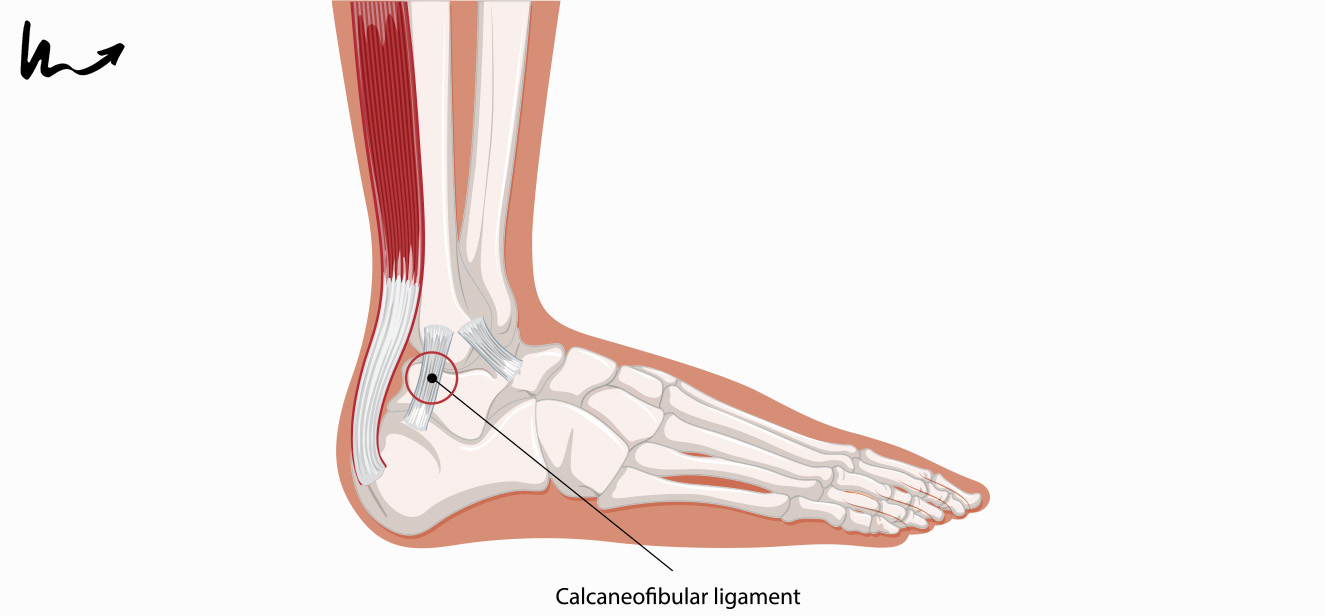
-
Calcaneofibular Ligament (CFL):
Works alongside the ATFL to keep your ankle from rolling out.
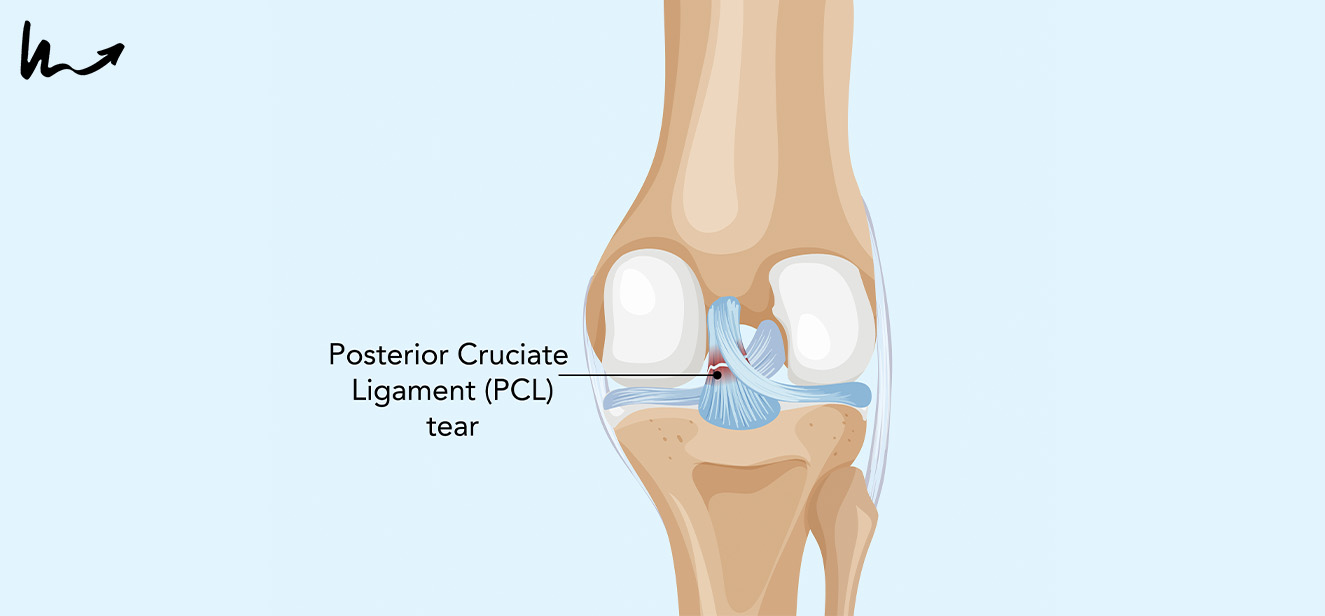
-
Posterior Talofibular Ligament (PTFL):
Located at the back of the ankle, it’s not as commonly injured but still super important.
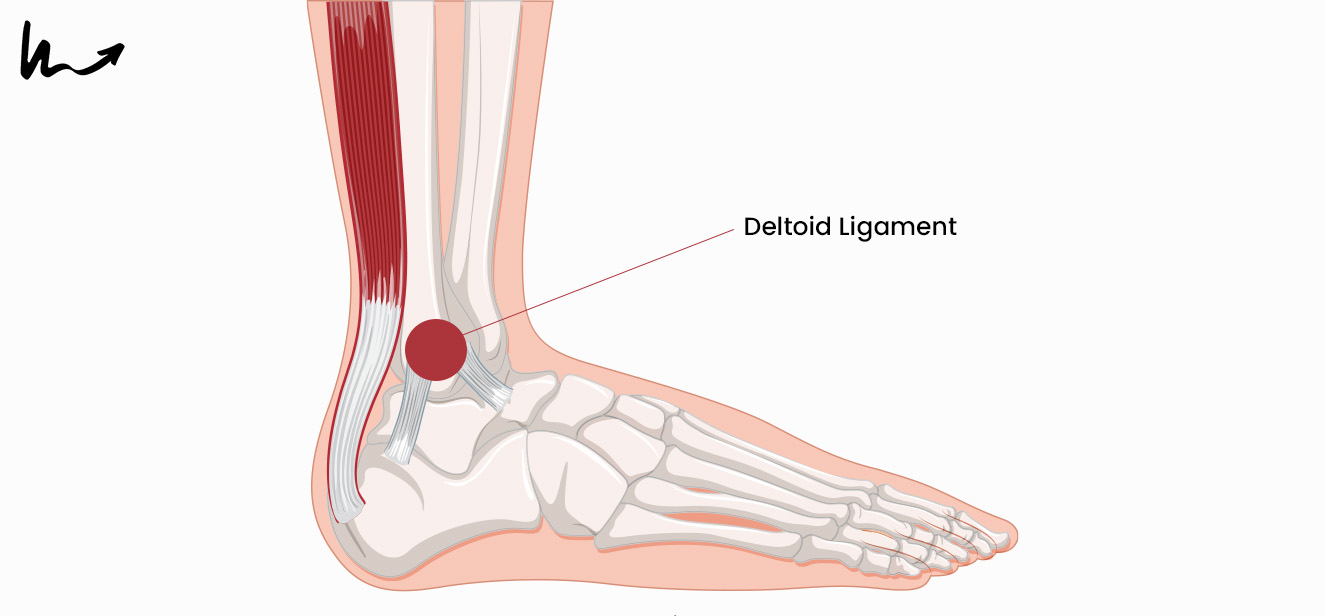
-
Deltoid Ligament:
On the inside of your ankle, this sturdy structure supports you when you bear weight.
These ligaments are responsible for controlling movements like flexing, extending, turning in (inversion), and turning out (eversion). So, when one or more of them gets overstretched or torn, you’re going to feel it—and not in a good way.
How Ankle Ligament Tears Occur: Causes & Risk Factors
So what actually causes these ligament injuries?
-
Sports Injuries:
Fast footwork and sudden changes in direction—think basketball, football, or running—are top culprits. A quick pivot or jump gone wrong is all it takes.
Accidental Falls: Ever twisted your ankle walking on uneven ground or missing a step? It’s surprisingly common.
-
Improper Footwear:
Shoes without proper support can leave your ankle vulnerable. Flip-flops and high heels? Not your ankle’s best mates.
-
Previous Injuries:
Already had an
ankle sprain? You’re at higher risk for another. A previously torn ligament can create lingering ankle instability if not treated properly.
-
Age and Fitness Level:
As we get older, muscles and ligaments lose some of their elasticity. Poor flexibility or strength can up your injury chances.
-
Environmental Triggers:
Uneven terrain, slippery floors, and even extreme weather conditions (hello, rainy season) make injuries more likely.

Recovery and Rehabilitation
How Long Does an Ankle Ligament Tear Take to Heal?
The healing time for an ankle ligament tear depends on the severity of the injury. Mild to moderate tears may heal with rest and physiotherapy, while more severe tears could require surgery. Understanding how long an ankle ligament tear takes to heal helps manage expectations and ensures a smoother healing process.
Grade 1 (Mild Tear):
- Healing Time: Typically 2–4 weeks with rest, ice, and physiotherapy.
- Symptoms: Mild swelling, bruising, and tenderness, but the ligament is not completely torn.
- How Long Does a Mild Ankle Ligament Tear Take to Heal: With adequate care, most mild tears will heal within a month.
Grade 2 (Moderate Tear):
- Healing Time: 4–6 weeks, requiring more intensive physiotherapy.
- Symptoms: Moderate swelling and bruising, partial ligament tear that affects ankle stability.
- How Long Does a Moderate Ankle Ligament Tear Take to Heal: Moderate tears generally require more focused rehabilitation, pushing recovery time to a few weeks.
Grade 3 (Severe Tear):
- Healing Time: 6-12 weeks or longer, may require surgery or advanced rehabilitation.
- Symptoms: Severe swelling, bruising, and significant loss of function, with a complete rupture of the ligament.
- How Long Does a Severe Ankle Ligament Tear Take to Heal: Severe tears typically need months for full recovery, and surgical intervention may be needed.
3.2 The Role of Physiotherapy in Recovery
Physiotherapy is one of the most effective ankle pain treatments in Singapore to support recovery from a torn ligament.
This recommendation is grounded in clinical best practices, and it’s also why The Movement Laboratory Singapore is committed to delivering expert physiotherapy care. The truth is, physiotherapy can make a world of difference—especially if you’re dealing with ankle instability or recurring injuries.
Here’s what the rehab process usually looks like:
Initial Phase (Week 1–2)
- Rest, Ice, Compression, Elevation (R.I.C.E.)
- Gentle range-of-motion exercises
- Pain relief and reducing swelling
Sub-Acute Phase (Week 2–4)
- More active range-of-motion exercises
- Strengthening with resistance bands
- Mobility-focused sessions at your local physiotherapist in Singapore
Strength and Balance Phase (Week 4–8)
- Proprioception exercises (hello, wobble boards!)
- Targeted strength training (calf raises, toe walks)
- This is crucial for long-term ankle pain treatment in Singapore
Return-to-Activity Phase (Week 8 onwards)
- Sport-specific drills if you’re an athlete
- Education on preventing future injuries
- Support with footwear choices and safe return to regular activity
When to Consider Surgical Intervention
Sometimes, despite doing all the right things, your ankle just doesn’t improve. That’s when surgery might be on the table.
But don’t panic—surgery isn’t usually the first option for a ligament injury. It’s considered when:
- You’ve had a complete tear that’s not healing
- There’s long-term ankle instability
- Conservative treatment has failed after several months
Types of surgeries might include:
- Ligament Repair: Stitching the torn ligament back together.
- Ligament Reconstruction: Using a graft to replace the ligament.
- Arthroscopic Surgery: A minimally invasive option to clean up any mess in the joint.
After surgery, more time is needed for your ankle ligament tear to heal. You’ll likely be looking at 3 to 6 months for full recovery, with a fair bit of post-op physiotherapy in Singapore thrown in.
Understanding the Injury is Crucial
Ankle ligament tears can vary in severity, from mild sprains to complete ruptures. Knowing the anatomy of the ankle and the causes of injury allows for a better understanding of how long ankle ligament tears take to heal. This also guides more effective recovery strategies. Managing expectations about the healing period for ankle injury ensures you take the proper steps toward full recovery.
-
Timely treatment is everything:
The sooner you start ankle pain physiotherapy, the better your outcome. Don’t ignore the pain or try to “walk it off”—get assessed and get a plan.
-
Know when surgery might be needed:
Most cases won’t need surgery, but if your ankle still feels wobbly or painful after months of rehab, it’s worth discussing options with your healthcare provider.
-
Recovery takes patience:
So, how long does an ankle ligament tear take to heal? It depends, but it’s not overnight. Give your body time, stick to your rehab programme, and don’t rush the process.
-
Prevention beats cure:
Strengthen your ankles. Wear the right shoes. Warm up before you exercise. And most importantly—listen to your body.
-
Seek help when you need it:
If you’re unsure about your progress, reach out to a trusted physiotherapy clinic in Singapore. The team at Movement Laboratory are experts at helping people just like you bounce back stronger than ever.
Visit The Movement Laboratory to get expert consultation and book a therapy session today.
Conclusion
An ankle ligament tear can feel disruptive at first, but recovery often becomes clearer once the injury is properly understood and managed. Healing time varies from person to person, influenced by the severity of the tear, daily activity levels, and how well the ankle is supported during recovery. Paying attention to movement patterns, allowing adequate rest, and rebuilding strength gradually can help reduce lingering discomfort and the risk of repeat injury.
If ankle pain or instability persists, seeking guidance can provide clarity on the next steps. A structured approach to rehabilitation supports confidence in movement and day-to-day function. For individuals exploring sprained ankle treatment in Singapore, timely assessment and guided care can help the ankle recover more comfortably and safely over time.
Frequently Asked Questions
Can I walk with an ankle ligament tear in the healing process?
You can, but it depends on how bad the tear is. Mild injuries (Grade 1) usually allow some walking, though you’ll want to limit it. More serious tears might need you to stay off your feet entirely for a bit. A physiotherapist in Singapore can help you gauge when it’s safe to start walking again.
How can I prevent future ankle ligament tears?
Work on strengthening exercises, balance training, and proper warm-ups before activity. Wearing supportive shoes also goes a long way in preventing reinjury. Regular sessions at a physiotherapy clinic in Singapore can help you stay on track.
Is surgery always required for an ankle ligament tear?
Not at all. Most ankle ligament tears heal with rest and physiotherapy. Surgery is only considered for complete ruptures or ongoing ankle instability that just won’t improve.
References
- American Academy of Orthopaedic Surgeons. (2023). Ankle sprains and strains. OrthoInfo. https://orthoinfo.aaos.org/en/diseases–conditions/ankle-sprains-and-strains/
- Mayo Clinic. (2023). Sprained ankle. https://www.mayoclinic.org/diseases-conditions/sprained-ankle/symptoms-causes/syc-20353225
- National Health Service (UK). (2023). Ankle sprain. NHS. https://www.nhs.uk/conditions/sprains-and-strains/
- Bergman, R., & Shuman, V. L. (2025). Acute ankle sprain. In StatPearls. StatPearls Publishing. https://www.ncbi.nlm.nih.gov/books/NBK459212/
- Harvard Health Publishing. (2024, March 28). Recovering from an ankle sprain. Harvard Medical School. Reviewed by R. H. Shmerling. https://www.health.harvard.edu/pain/recovering-from-an-ankle-sprain
- American Academy of Orthopaedic Surgeons. (2019, September). Sports injury prevention for baby boomers. OrthoInfo. Contributed by M. J. Alaia & peer-reviewed by S. J. Fischer. https://orthoinfo.aaos.org/en/staying-healthy/sports-injury-prevention-for-baby-boomers