
Key Takeaways:
- Poor posture while sitting is a common cause of buttock pain.
- Misalignment of the spine and pelvis places unnecessary strain on the gluteal muscles.
- Tight hips, often resulting from extended sitting, can worsen discomfort in the buttocks.
- Simple posture corrections and movement habits can significantly reduce pain and stiffness.
- A qualified physiotherapist in Singapore can help address postural issues and improve comfort.
Sitting for long periods, whether at work, during travel, or while relaxing, can often lead to nagging discomfort in the buttocks. For many people, this buttock pain that arises after sitting for a long time is more than just an occasional annoyance; it’s a signal that poor posture and muscle imbalances are taking a toll on their bodies. While the gluteal region may seem far from your spine or shoulders, the connection between posture and pain is undeniable.
This blog explores how improper alignment contributes to this discomfort and what you can do to prevent it, starting with better posture and the support of expert care like posture correction.
The Impact of Poor Posture on the Gluteal Muscles
When we sit with poor posture, such as slouching forward, leaning to one side, or letting the spine collapse, the gluteal muscles bear an uneven load. These muscles are responsible for supporting our hips and stabilising our pelvis. Over time, this uneven pressure can cause fatigue, tightness, and discomfort. Many people experience buttock pain after sitting for a long time due to these postural habits, which gradually overload and weaken the muscles.
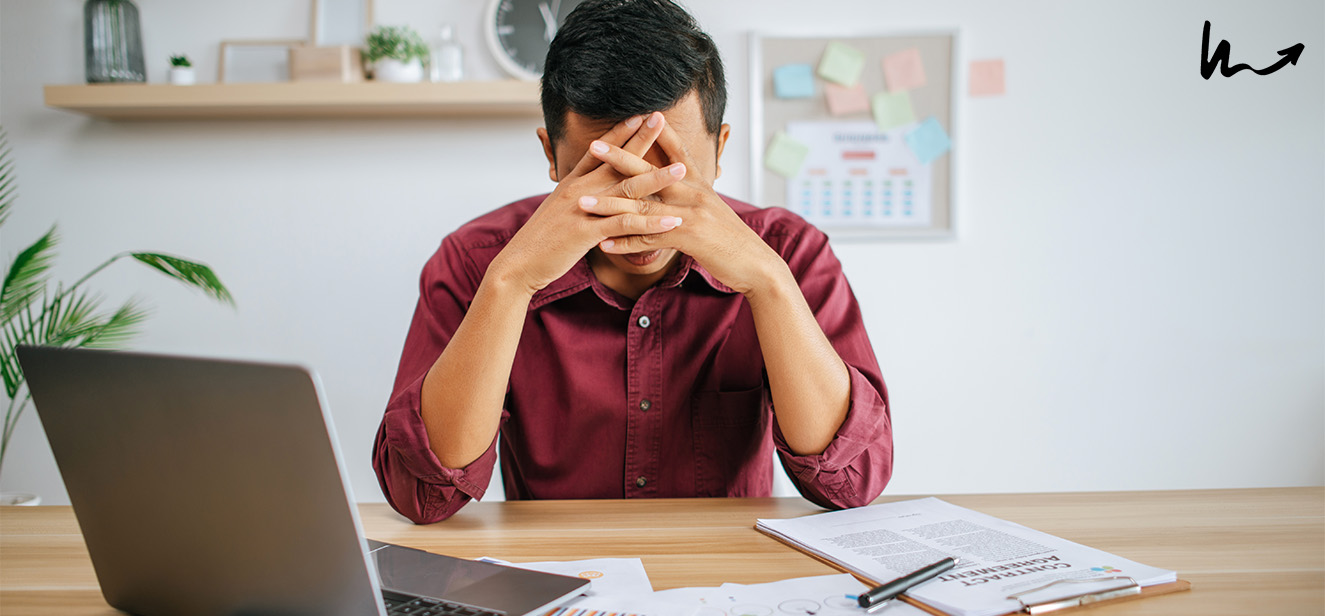
Slouching can also reduce blood flow to the area, leading to stiffness and a “dead leg” sensation that worsens the longer you sit. In severe cases, prolonged poor posture can even cause irritation to the sciatic nerve, leading to radiating pain or numbness in the lower body.
The Role of the Spine in Buttock Discomfort
The spine plays a central role in how your body bears weight while sitting. When seated with poor alignment, such as a rounded lower back or a pelvis that tilts backward, the natural curve of the lumbar spine is compromised. This results in additional pressure on the lower back and glutes.
After sitting for a long time, such spinal misalignment often causes buttock pain, especially in office workers or individuals who work in sedentary environments. Without adequate lumbar support or awareness of posture, the spine cannot distribute weight efficiently, and the discomfort becomes more pronounced over time.
Seeking back pain physiotherapy treatment is an effective way to identify these postural issues early and learn proper sitting techniques that reduce gluteal and spinal strain.
The Connection Between Tight Hips and Buttock Pain
Tight hip flexors are another common culprit behind buttock pain after sitting for a long time. When you remain seated for hours, the hip flexors remain in a shortened position. Over time, this tightness pulls on the pelvis, disrupting the balance of the surrounding muscles and reducing the efficiency of the glutes.
When the gluteal muscles become inhibited due to tight hips, they are less able to absorb force and support proper sitting posture, leading to pain and fatigue in the buttocks. Regular movement, targeted stretching, and assessment by a skilled physiotherapist in Singapore can help relieve these muscular imbalances and restore function.
Tips for Maintaining Good Posture While Sitting
Preventing buttock pain begins with improving how you sit. Here are a few tips that can make a significant difference:
- Sit upright with your shoulders relaxed and your spine aligned. Avoid slouching or leaning to one side.
- Use ergonomic support, such as a lumbar cushion or a properly adjusted chair, to maintain the spine’s natural curve.
- Keep your feet flat on the floor with your knees at hip height.
- Change positions regularly. Stand up every 30–60 minutes, stretch, or take a short walk. You could also drink half a glass of water every 30-60 mins. It’ll force you to stand up and go to the toilet every hour or so, even if you’re extremely engrossed with your work or entertainment.
- Strengthen your core and glutes through exercises prescribed by a professional offering posture correction in Singapore.
Even small changes can make a big impact. When combined with professional guidance, these habits help you maintain comfort and prevent recurring pain.
Whether you’re working from home or spending hours commuting, persistent buttock pain that emerges after you’ve been sitting for a long time shouldn’t be ignored. Often, it’s a sign of deeper postural imbalances that can be addressed with the right support. At The Movement Laboratory, our experienced team offers personalised assessments and treatment plans, including back pain physiotherapy treatment and posture correction in Singapore, to help you sit better, move more comfortably, and live pain-free.
Contact us today to take the first step toward lasting relief and improved posture.
References:
- Dydyk, A. M., Massa, M., & Mesfin, F. B. (2024). Lordosis. In StatPearls. StatPearls Publishing. https://www.ncbi.nlm.nih.gov/books/NBK448172/
- Physio-Pedia. (n.d.). Low back pain related to hyperlordosis. https://www.physio-pedia.com/Low_Back_Pain_Related_to_Hyperlordosis
- Harvard Health Publishing. (2021, October). The end of painful sitting. Harvard Health. https://www.health.harvard.edu/pain/the-end-of-painful-sitting