
Key Takeaways:
- Workplace back pain often starts with minor symptoms like stiffness or discomfort.
- Common causes include poor posture, improper workstation setup, and lack of movement.
- Early recognition and intervention may prevent chronic back conditions.
- Preventive measures such as regular breaks and posture correction can support long-term back health.
- Consulting a physiotherapist in Singapore may help address recurring or persistent pain.
Understanding Workplace Back Pain and Why It Matters
Back pain is a widespread concern among office workers and manual labourers in Singapore. Whether you sit at a desk for long hours or frequently lift heavy items, your spine and surrounding muscles are under constant pressure. If left unaddressed, minor aches can progress into serious discomfort that interferes with work and daily activities. By identifying early signs and adjusting daily habits, you may reduce the likelihood of long-term damage and discomfort.
Understanding back pain involves knowing how your daily posture habits affect your spine. This topic further relates to the impact of standing versus sitting on your back; a discussion we’ve explored in a separate article.
What Causes Back Pain in the Workplace?
There are several potential triggers for workplace back pain. One of the leading causes is poor posture¹, especially when sitting for extended periods without adequate support or movement. An improperly set-up workstation², such as a non-ergonomic chair, incorrect desk height, or poor monitor alignment, can further strain the spine and surrounding muscles.

In physically demanding roles, repeated lifting or carrying heavy items without a proper technique³ may lead to muscular strain or even spinal injuries. Even stress can play a role, as it causes tension to build up in the back and shoulders. Identifying these contributing factors is key to prevention.
Recognising the Early Warning Signs
Early symptoms of workplace back pain may be easy to overlook. Some of the most common signs include:
- A dull ache or stiffness in the lower back after sitting or standing.
- Pain that radiates down the legs or up towards the shoulders.
- Muscle spasms or sharp discomfort during movement.
- Numbness or tingling in the limbs, which may signal nerve involvement.
If you begin to notice these signs regularly, it’s worth paying closer attention to your work habits and environment.
When Should You Seek Medical Help?
While occasional discomfort might resolve with rest and stretching, persistent or worsening pain could require professional attention. You may want to consult a physiotherapist in Singapore if:
- The pain lasts for more than a few days without improvement.
- It interferes with your ability to work, sleep, or perform daily tasks.
- You experience unusual symptoms like fever, sudden weight loss, or bowel/bladder difficulties.
- The pain increases during specific movements or spreads to other areas.
These signs may indicate underlying issues such as nerve compression or spinal conditions, and early intervention may prevent further complications.
Preventive Measures to Protect Your Back at Work
There are several steps you can take to manage and prevent workplace back pain:
- Take regular breaks: Aim to stand, stretch, or walk every 30 to 60 minutes to reduce strain on your back muscles.
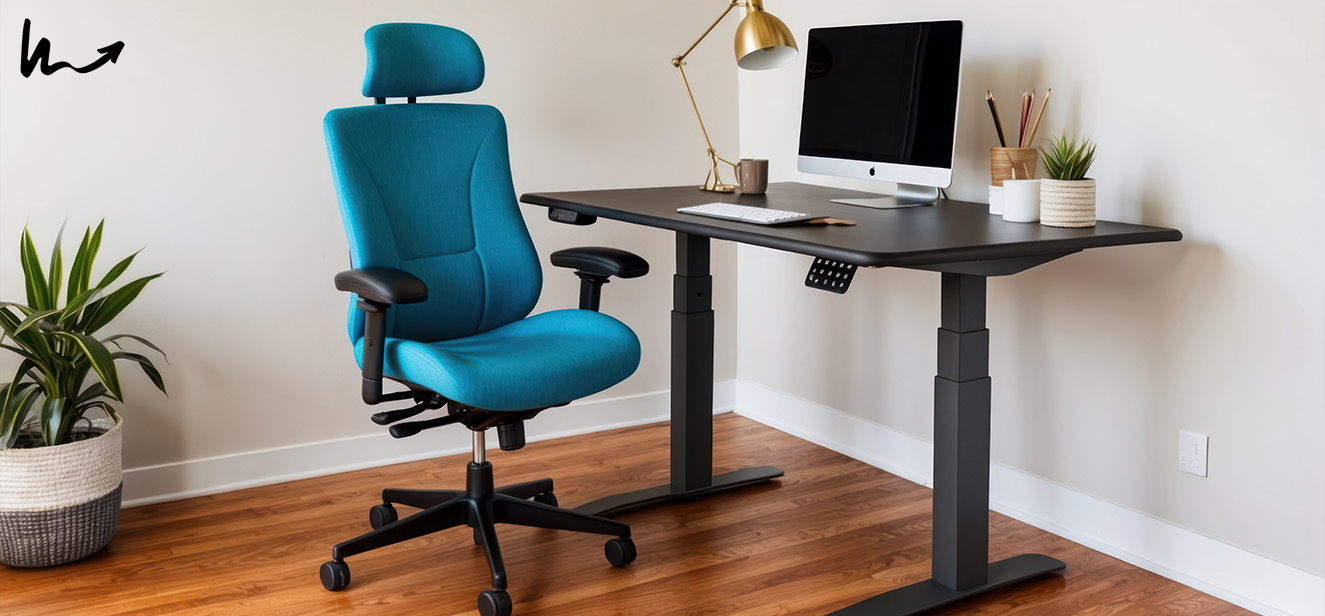
- Set up an ergonomic workstation: Adjust your chair height, monitor position, and keyboard alignment to support natural posture. For further guidance, you may consider professional posture correction in Singapore.
- Exercise regularly: Strengthening your core and back muscles can improve spinal stability and reduce injury risks.
- Lift carefully: Always bend at the knees, keep objects close to your body, and avoid twisting while lifting.
- Stay mindful of posture: Whether sitting or standing, keep your shoulders relaxed, feet flat on the floor, and spine neutral.
Incorporating these small changes into your daily routine may significantly reduce your risk of developing chronic back issues.
Take Action Today!
Back pain in the workplace is more than just a nuisance, it can affect your long-term health, productivity, and quality of life. Recognising the early signs, understanding the causes, and implementing preventive habits are crucial steps in managing workplace back pain. If discomfort persists or interferes with your daily routine, you may consider exploring back pain physiotherapy to better support your recovery and spinal health.
For more guidance or personalised care options, visit The Movement Laboratory to learn more about how physiotherapy may help you move better and live pain-free.
References:
- WebMD. (2025). Causes of Back Pain. In WebMD.com. Retrieved from https://www.webmd.com/back-pain/causes-back-pain
- WebMD. (2024). Ergonomic Tips for a Home Office. In WebMD.com. Retrieved from https://www.webmd.com/pain-management/ss/slideshow-ergonomic-tips-for-a-home-office
- Illinois Chiropractic Society. (2023). Impact of Back Pain in the Workplace. Retrieved from: https://ilchiro.org/impact-of-back-pain-in-the-workplace