
Key Takeaways:
- Stress significantly contributes to muscle tension and lower back pain.
- Lower back pain physiotherapy combines both physical and mental techniques to manage pain.
- Physiotherapists utilise relaxation exercises, posture correction, and soft tissue mobilisation to relieve stress-induced back pain.
- Mindfulness practices and breathing techniques can provide mental relaxation, reducing both stress and pain.
Stress and lower back pain are often closely linked, creating a frustrating and painful cycle. Stress can cause muscles to tense, particularly in the lower back, leading to discomfort and reduced movement. Over time, this cycle can worsen pain, leaving individuals trapped in a cycle of discomfort. Thankfully, lower back pain physiotherapy offers an effective approach to addressing both the physical and mental aspects of stress and pain.
In this article, we explore how stress affects your lower back and how physiotherapy can help break this cycle, providing lasting relief.
What is The Link Between Stress and Muscle Tension
When stress occurs, the body reacts with physical responses. We mentally brace our bodies and change our posture when we are under stress. For example, to look good we often push our chest out and suck our tummy in. We assume unnatural walking or standing poses, with chronic flexing of certain muscle groups as bad habits. We may even clench jaws or tense up facial muscles (thinking that we have a Resting Bitch Face if we fully relax). All these physical responses contribute to strains and tensions to the body.
It is particularly noticeable in the lower back too, where muscles often tighten as a result of both emotional and physical stressors. When stress becomes chronic, the muscles in the back remain in a constant state of tension, which can cause stiffness, discomfort, and reduced flexibility.
Tension in the lower back can restrict movement, making everyday activities such as bending, lifting, or sitting for long periods uncomfortable. Over time, this muscle stiffness can lead to more severe issues, such as herniated discs, sciatica, or muscle strains.
Physiotherapy plays a vital role in breaking this cycle of tension and pain. Through physiotherapy for lower back pain, patients can:
- Reduce muscle stiffness
- Improve flexibility
- Alleviate discomfort
All of these gradually restore our body to its normal function.
How does Physiotherapy Address Stress-Induced Pain?
Back pain physiotherapy focuses not only on physical rehabilitation but also on managing stress-related pain. Techniques such as soft tissue mobilisation and therapeutic exercises are commonly used to release tight muscles in the lower back, helping to restore flexibility and reduce discomfort. By targeting the muscles directly, physiotherapists help release the tension caused by stress, which is often the root cause of pain.
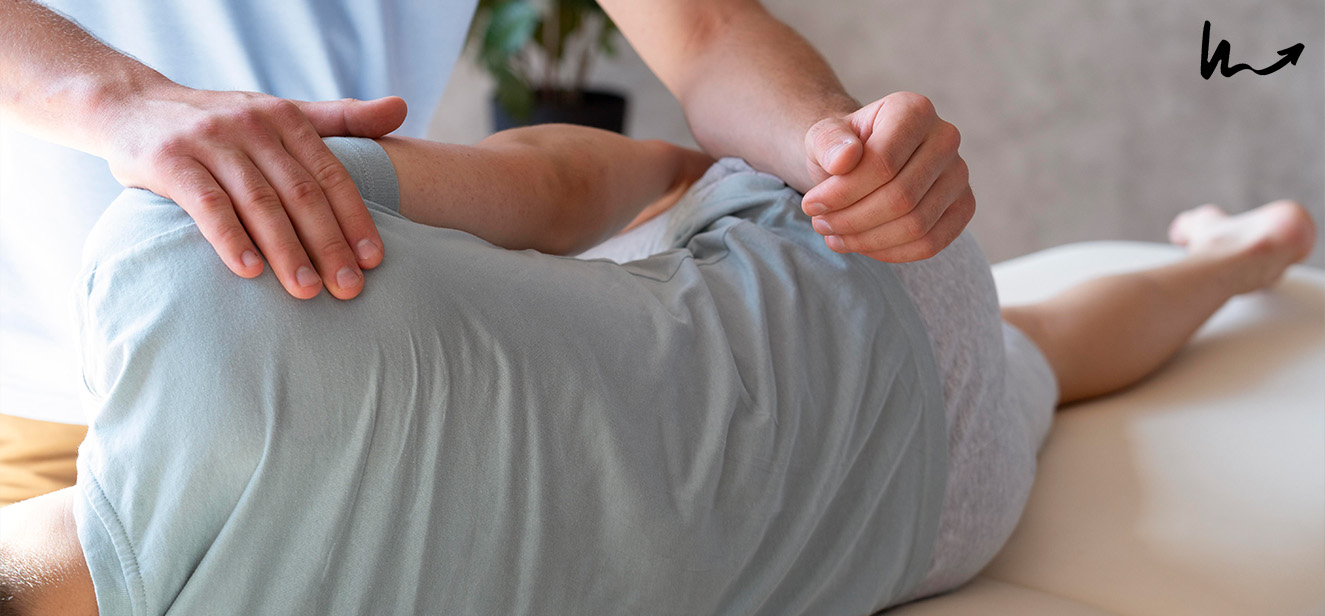
In addition to these techniques, physiotherapists work on improving posture and alignment. Poor posture, often exacerbated by stress or bad habits, can place additional strain on the spine, increasing back pain. Through posture correction, physiotherapists guide patients on how to improve their posture and relieve strain on their lower back.
Breathing and Mindfulness for Pain Relief
An often-overlooked aspect of managing lower back pain caused by stress is the mental and emotional component. Stress not only impacts physical health but also affects mental well-being, which can contribute to physical discomfort. Breathing exercises and mindfulness techniques are incorporated into physiotherapy to help manage both stress and pain.
Deep, controlled breathing stimulates the body’s relaxation response, which helps reduce muscle tension. Physiotherapists teach patients specific breathing techniques to calm the nervous system, promoting relaxation in the muscles of the lower back.
Additionally, mindfulness practices such as meditation can be introduced as part of the physiotherapy process to encourage relaxation and enhance emotional resilience. By combining physical techniques with mental relaxation strategies, physiotherapists help patients manage both the psychological and physical factors contributing to their pain.
How to Prevent Future Stress-Related Back Pain
One of the key benefits of physiotherapy for lower back pain is that it not only treats existing pain but also prevents future episodes. Physiotherapists aim to strengthen both the body and the mind to reduce the impact of stress on the lower back.
A tailored lower back pain physiotherapy plan includes exercises that strengthen the core muscles, improve posture, and enhance flexibility. These exercises target the muscles around the lower back and improve overall stability, making the body less prone to injury or strain.
Furthermore, physiotherapists offer lifestyle guidance to help manage stress more effectively. This includes advice on ergonomics, techniques to manage workload, and tips on staying physically active. By empowering patients with the tools to manage stress, physiotherapists help reduce the likelihood of stress-induced back pain in the future. At The Movement Laboratory, we specialise in back pain physiotherapy treatment, helping you relieve pain and build long-term resilience.
Stress and lower back pain are often intertwined, but with the right approach, it is possible to break the cycle of tension and discomfort. Lower back pain physiotherapy offers a comprehensive solution by combining physical techniques, posture correction, and mental relaxation practices to address both the physical and psychological factors contributing to pain.
If you’re struggling with lower back pain or stress-related discomfort, it’s important to seek professional help from a physiotherapist in Singapore. With a personalised treatment plan, you can begin your recovery journey, alleviating pain and improving overall well-being.
Book an appointment today with a qualified physiotherapist in Singapore and take the first step towards a stronger, healthier shoulder.
FAQs about Lower Back Pain Physiotherapy
Can stress really cause lower back pain?
Yes, stress can influence how the body holds tension. When someone is under prolonged stress, muscles around the neck, shoulders, and lower back may tighten without the person realising it. Over time, this tension can contribute to discomfort or stiffness. Approaches such as movement guidance and physiotherapy for back pain may help address both the physical and behavioural factors linked to stress-related pain.
Why does my lower back hurt after sitting for long periods?
Sitting for extended periods may place pressure on the lower back and surrounding muscles. Poor posture, limited movement, and reduced circulation can contribute to stiffness or discomfort. In some cases, your buttocks may be painful after sitting for a long time, particularly if the muscles in the hips and lower back become tight or fatigued. Regular breaks and gentle movement can help reduce strain.
When should I consider seeing a physiotherapist for lower back pain?
If lower back discomfort continues for several days, interferes with daily activities, or keeps returning, it may be helpful to seek professional advice. A physiotherapist in Singapore can assess movement patterns, posture, and muscle function to understand possible contributing factors and recommend suitable strategies for recovery.
What happens during a physiotherapy session for lower back pain?
A session usually begins with a discussion about symptoms, daily habits, and previous injuries. The physiotherapist may observe posture, movement, and muscle function before suggesting exercises or movement adjustments. At a physiotherapist clinic in Singapore, guidance may focus on improving mobility, strengthening supportive muscles, and helping individuals manage activities that trigger discomfort.
Can physiotherapy help manage both stress and lower back pain?
Movement-based care often considers how physical and lifestyle factors interact. Gentle exercises, breathing awareness, and gradual strengthening can support relaxation while improving how the body moves. These strategies may help individuals manage muscle tension related to stress while addressing lower back discomfort at the same time.
What should I do if my back pain does not improve?
If discomfort persists despite rest or simple home exercises, seeking guidance may help clarify the cause. A physiotherapist can review your symptoms and suggest next steps based on your situation. If you would like to learn more about available options, please contact us for further information.
References:
- Choi, S., Ryu, H., Lim, M., & Kim, S. (2023). Effects of physical activity on symptoms of depression, anxiety, and stress in older adults: A meta-analysis. Healthcare, 11(10), 1457. https://pmc.ncbi.nlm.nih.gov/articles/PMC10215712/
- Mathew, J., Aghera, A., & Goyal, M. (2021). Effectiveness of physical therapy interventions in reducing stress and improving quality of life: A systematic review. Journal of Lifestyle Medicine, 11(2), 43–52. https://pmc.ncbi.nlm.nih.gov/articles/PMC8272667/
- Physio Cottage. (n.d.). Physical therapy for stress relief: How it works. https://physiocottage.ca/physical-therapy-for-stress-relief-how-it-works